

Grand Seiko
How Seiko built Grand Seiko to challenge the best Swiss watches.
The Story
How Seiko built Grand Seiko to challenge the best Swiss watches.
In 1960, if you wanted a genuinely accurate wristwatch, you bought Swiss. Everyone in the trade accepted that. The Observatory chronometer trials in Geneva and Neuchâtel, where watch movements were locked in a lab for weeks and scored on how little they drifted, were dominated by a handful of Swiss houses who expected to win them.
Into that arrangement walked Seiko, a Tokyo company most Europeans had never heard of, with a plan that must have looked like arrogance. It would build a watch good enough to compete in those trials. It would call the line Grand Seiko, and it would aim it directly at the top of the Swiss catalogue.
The company behind it had a long memory of being underestimated. Kintaro Hattori started as a retailer of imported watches in Tokyo in 1881, then decided he would rather make them than sell other people's. His ambition, stated plainly, was to build timepieces that could rival Europe's. Grand Seiko was the result of that ambition, three generations later.
Two of Seiko's manufacturing arms did the actual work, and they did not entirely like each other. Daini Seikosha and Suwa Seikosha were separate subsidiaries, and Seiko encouraged them to compete rather than coordinate. Suwa, in Nagano prefecture, built the first Grand Seiko. Its movement, the caliber 3180, was the first chronometer-grade watch Japan had ever produced.
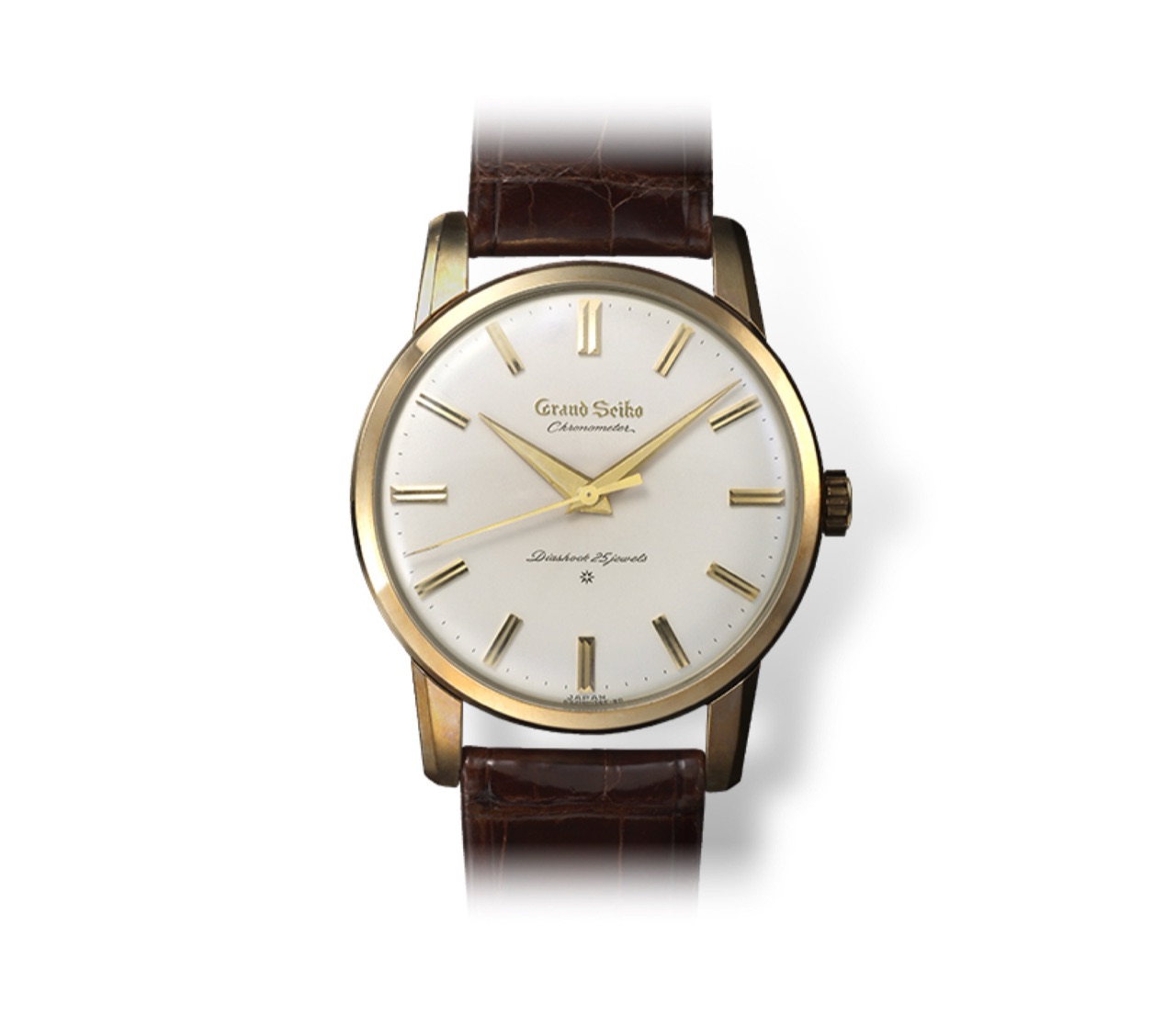
The numbers on that first watch tell you what "chronometer-grade" bought a customer in 1960. It ran to a daily rate of plus twelve to minus three seconds, meaning across a day it might gain twelve seconds or lose three, and it held a 45-hour power reserve, enough to sit in a drawer over a weekend and still be running Monday morning. It was also the first Japanese watch built to satisfy the accuracy standard of the Bureaux Officiels de Contrôle de la Marche des Montres, the Geneva body that certified precision. Seiko was, in effect, filling out Swiss paperwork with a Japanese pen.
Then Seiko took the challenge public. In the mid-1960s it began submitting its movements to the Neuchâtel and Geneva Observatory trials, the same contests the Swiss ran and expected to win. Seiko's entries were mediocre at first, then improved fast, then improved enough to worry the Swiss. By the late 1960s Japanese movements were placing high enough that the trials became politically uncomfortable, and the mechanical competitions were wound down not long after. No record shows the Swiss ended the contests because Seiko was winning, but the timing is at least suggestive.
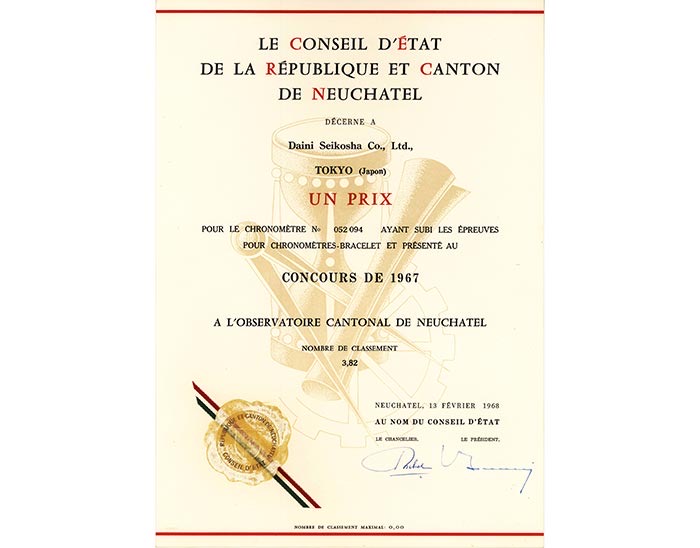
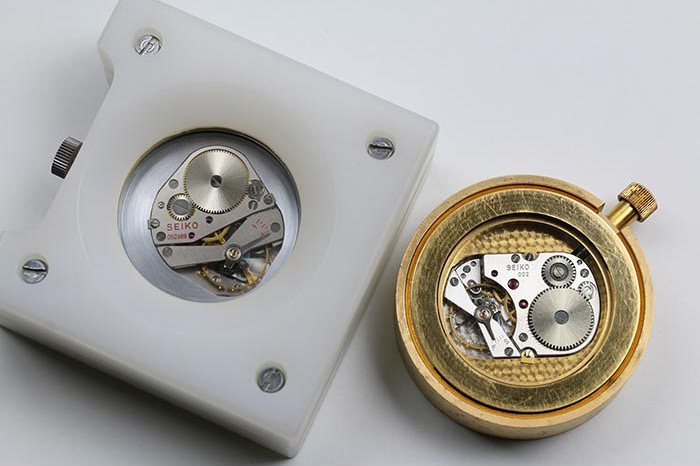
What the trials proved is that a Tokyo company could machine and adjust a balance and hairspring, the tiny oscillating parts that keep a mechanical watch's time, to a standard the establishment had assumed was theirs alone. Grand Seiko was the badge that carried that proof to customers.
The line differentiated itself in a way that was almost stubborn: it refused to be exotic. No flying tourbillons, no skeletonised theatrics. Just a plain-faced watch, finished to an absurd standard, that told the time better than watches costing far more. That was the whole pitch, and for a certain kind of buyer it still is.
Philosophy & Identity
What Grand Seiko means by the ideal watch, and how it finishes one.
Grand Seiko frames everything it does as the pursuit of one thing: the "ideal watch." The phrase traces back to Kintaro Hattori, and the modern brand defines the ideal as four qualities held at once, precision, legibility, durability, and beauty. It is a deliberately unglamorous list. There is no mention of prestige, heritage, or scarcity, the usual pillars of a luxury pitch.
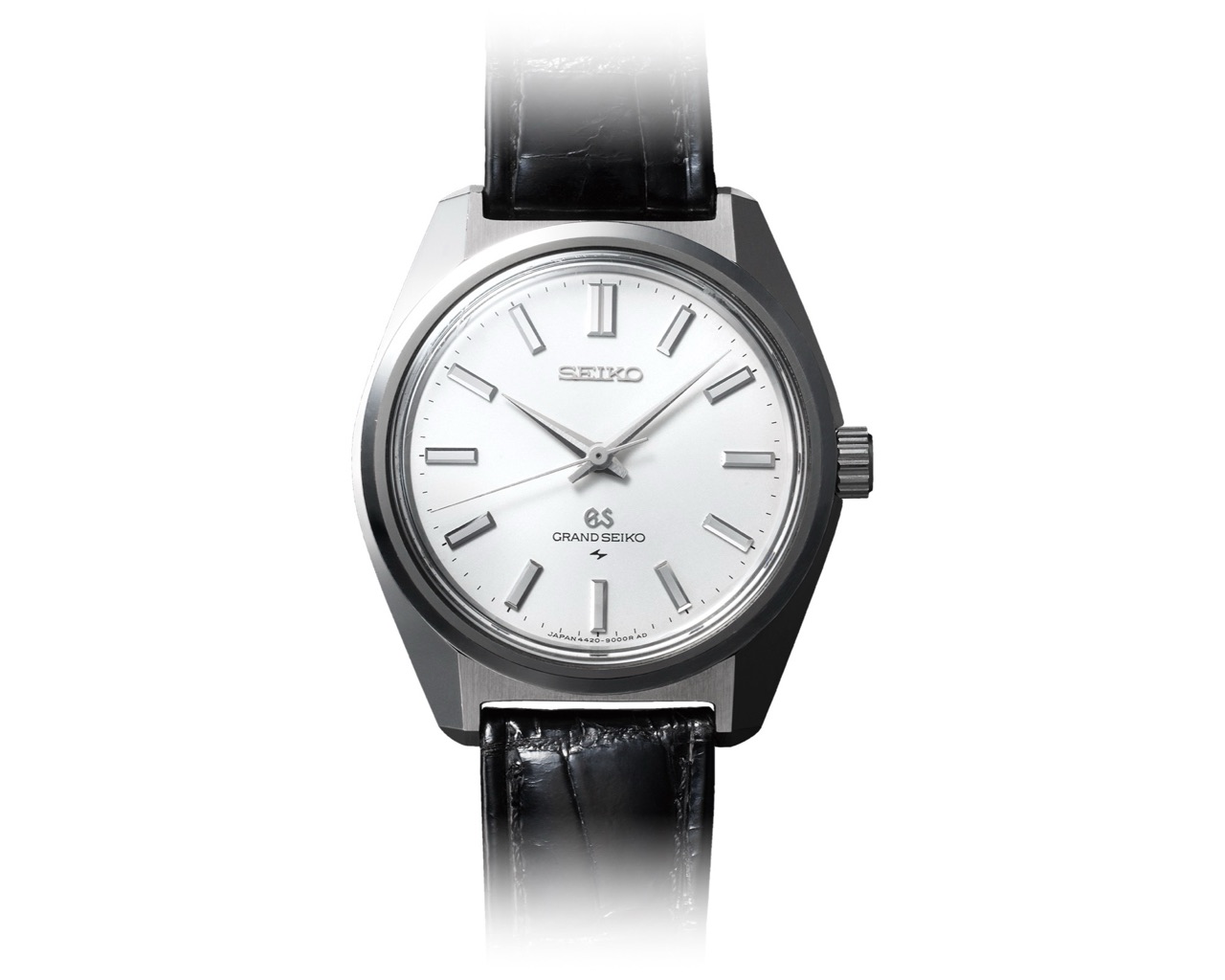
The design language that carries this is called the Grammar of Design, penned by a young designer named Taro Tanaka and first applied to the 44GS in 1967. Tanaka's rule was severe. Wherever possible, every flat surface should be a distortion-free mirror, and every edge between two surfaces should be a single crisp line, not a soft fudge.
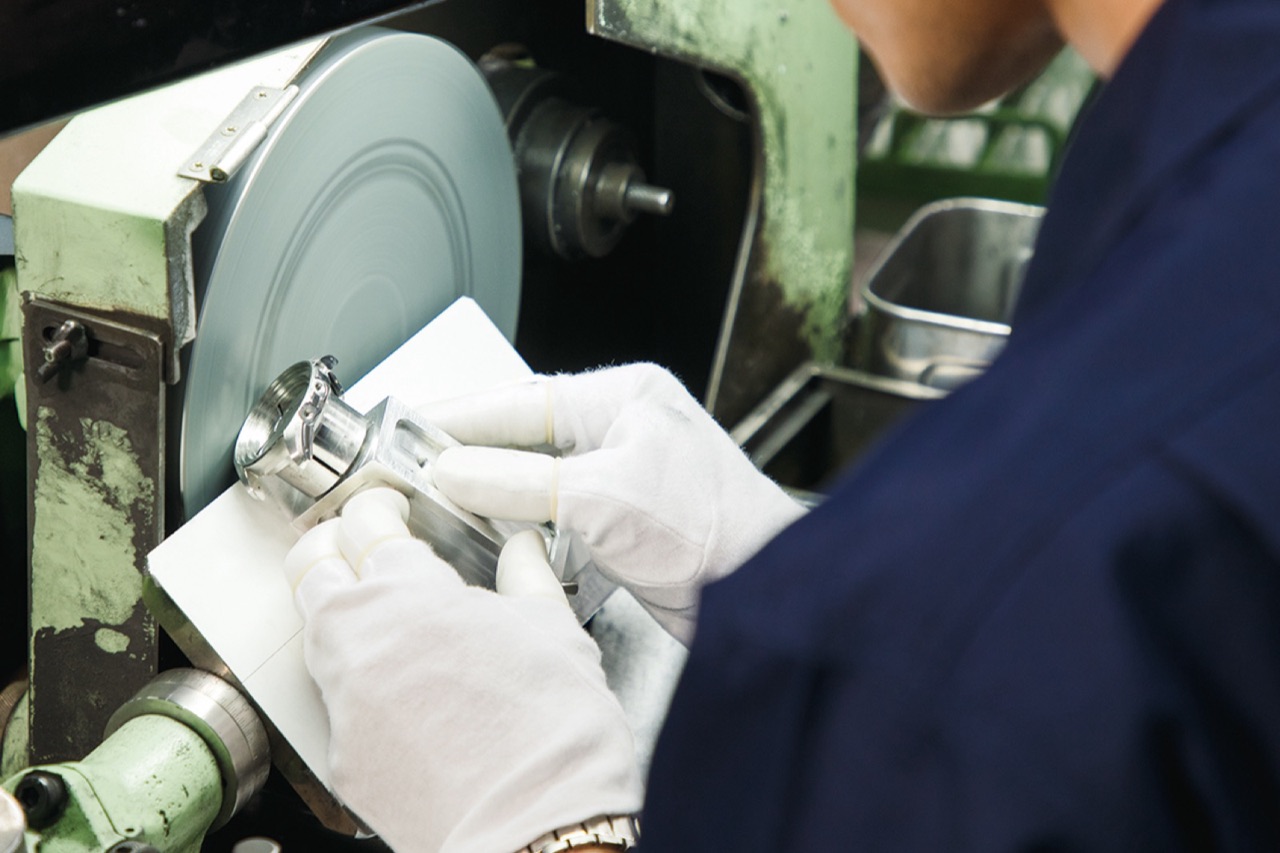
Achieving that mirror without distortion is the point of Zaratsu polishing, a technique where the case is pressed against a rotating tin plate by hand until the surface reflects a straight edge as a straight edge. Most mass-produced polishing rounds off corners and bends reflections slightly, and your eye reads that as "shiny but cheap." Grand Seiko's polishers spend years learning to hold a flat plane flat. It is slow, it is hard to teach, and it is the single feature that most separates a Grand Seiko from a watch at half the price.
The industry abuses one manufacturing term. "In-house" gets thrown around as a compliment for brands that assemble bought-in parts under their own roof. Grand Seiko earns the harder version: it produces essentially all of its components in Japan, from the movement's escapement to the case to the dial, and does the inspection and adjustment itself. When Grand Seiko says vertically integrated, the paperwork backs it.
The target customer is closer to the engineer, the designer, the person who notices that the seconds hand on a Spring Drive glides instead of ticks and wants to know why, than to someone buying a name to be recognised across a restaurant. Grand Seiko positions itself as the connoisseur's alternative, and it is comfortable being under-recognised, which is either principled or a marketing problem depending on your mood.
Against its competitors, the brand's stance is confrontational. It says, in effect: we will out-finish the Swiss and out-engineer them, and we will charge you less for it. That's a strong claim. It is also, on the finishing at least, frequently true.
The Journey
How Grand Seiko grew from a Japanese line into a global brand.
The First Life · Building the Case
Grand Seiko's opening chapter ran fifteen years and then stopped. The line launched in 1960 as Seiko's highest domestic grade, refined through the 1960s, and reached its aesthetic conclusion in 1967 with the 44GS and its new design grammar.
The 44GS mattered because it was the best manually wound five-beat watch in the world for accuracy when it launched, and because it fixed the visual identity Grand Seiko still uses today. A year later came the Hi-Beat movements, running at a faster rate that made timekeeping more stable, the way a spinning top stays upright better the faster it turns.
Then the whole line went dark. By 1975 the last of the original mechanical Grand Seikos rolled off the bench, a casualty of the same crisis that was about to gut the Swiss.
The Quartz Turn · The Crisis Seiko Caused
Ironically, the quartz crisis, the wave that nearly destroyed the Swiss mechanical industry, was set off by Seiko itself. In 1969 Seiko released the Astron, the world's first quartz wristwatch. Quartz works by running a small current through a crystal that vibrates at a precise frequency, and it keeps time far better than any mechanical escapement while costing far less to make.
That invention made accurate watches cheap, which made expensive mechanical watches suddenly hard to justify. Swiss firms collapsed by the hundreds. Grand Seiko, a mechanical line, went quiet during exactly this period, because its own parent company had made mechanical watches harder to sell.
When the name returned in 1988 it returned on quartz. The 95GS was Grand Seiko's first quartz watch, and it was not ordinary quartz. It was tuned to a standard of accuracy far beyond a supermarket digital.
The Mechanical Revival and Spring Drive · A New Standard
In 1998 Grand Seiko rebuilt its mechanical credibility with Caliber 9S, a fresh movement, and defined a new in-house accuracy specification called the Grand Seiko Standard, tighter than the old chronometer rating. Mechanical Grand Seiko was properly alive again.
The bigger event was Spring Drive. First shown in 1999 and made a Grand Seiko exclusive in 2004 as Caliber 9R, it is genuinely strange engineering, in the best sense, and the innovations section explains it in full.
Independence and the World · Its Own Name
Grand Seiko started shipping internationally in 2010. Before that, buying one outside Japan meant a grey-market hunt. Then in 2017 came the decision that changed how the brand presents itself: Grand Seiko became a separate brand, with its own emblem at twelve o'clock and the Seiko logo removed from the dial.
To be exact about what this was and was not: it was a change to identity, product presentation, and distribution. It was not a change of ownership. Grand Seiko remained inside Seiko Watch Corporation. Some coverage described it as Grand Seiko "becoming independent," which overstates the corporate reality. What actually happened is the dial stopped saying Seiko.
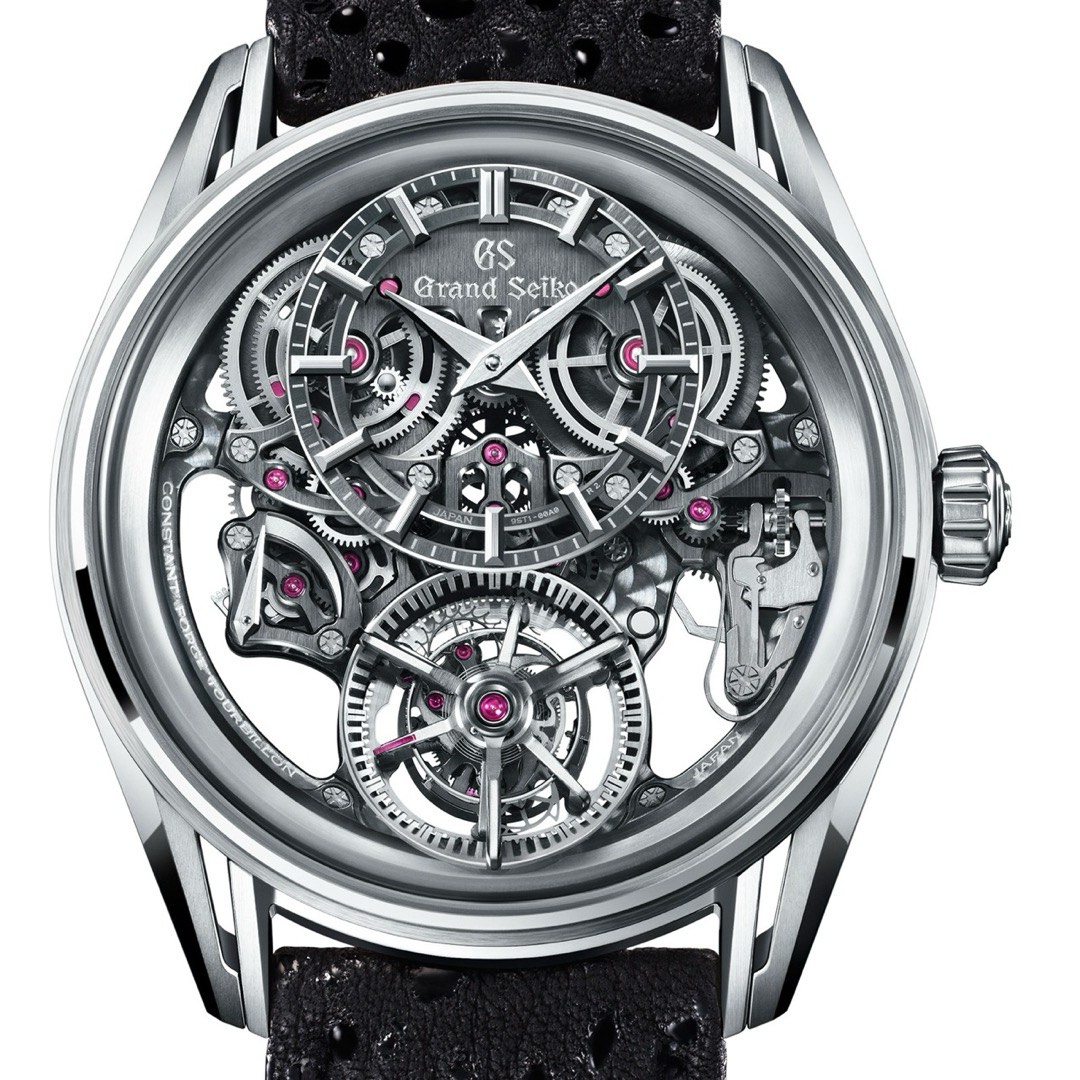
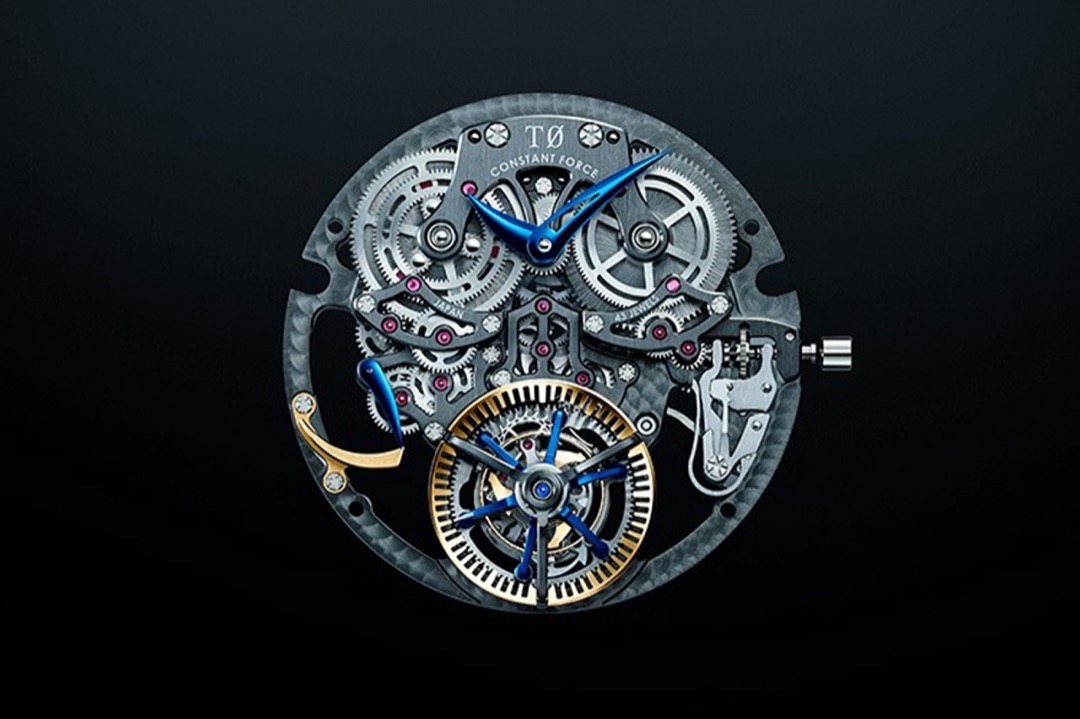
The 60th anniversary in 2020 brought a new design philosophy, Evolution 9, and a statement of intent in the form of the T0, the brand's first tourbillon movement. That same year it opened the Grand Seiko Studio Shizukuishi in Iwate, a mechanical-watch atelier designed by architect Kengo Kuma.

Defining Innovations
Spring Drive, high-grade quartz, Hi-Beat movements and Zaratsu polishing.
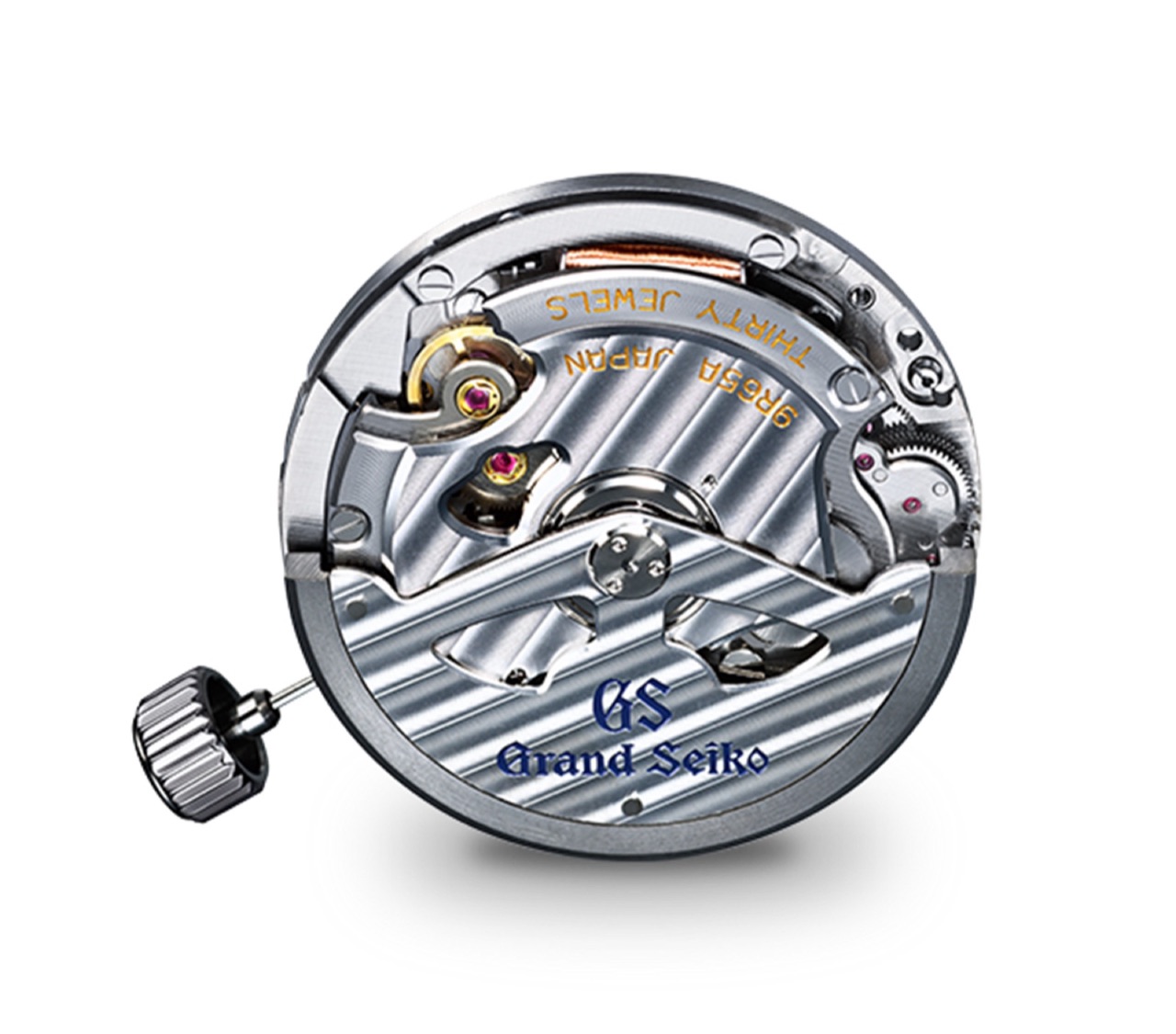
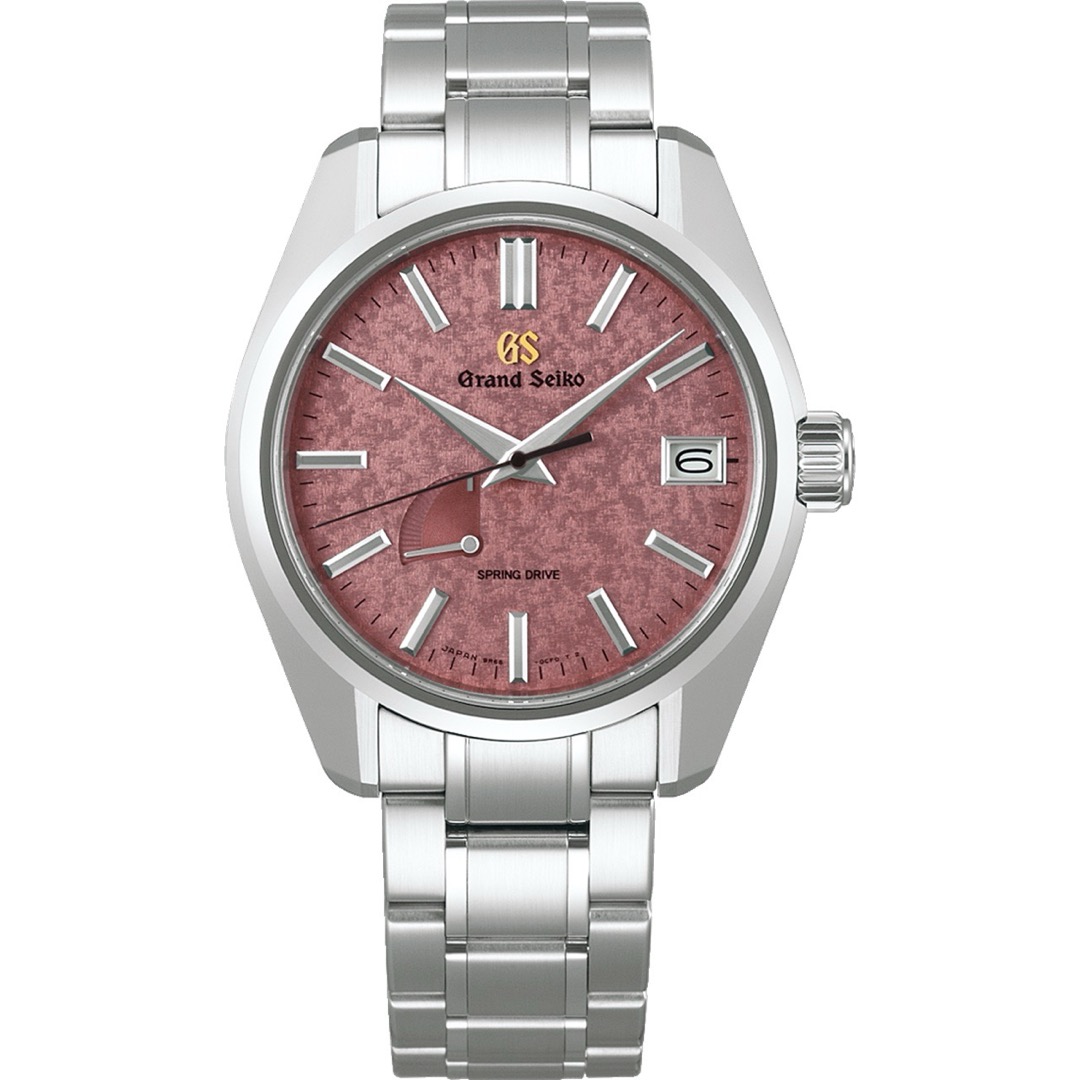
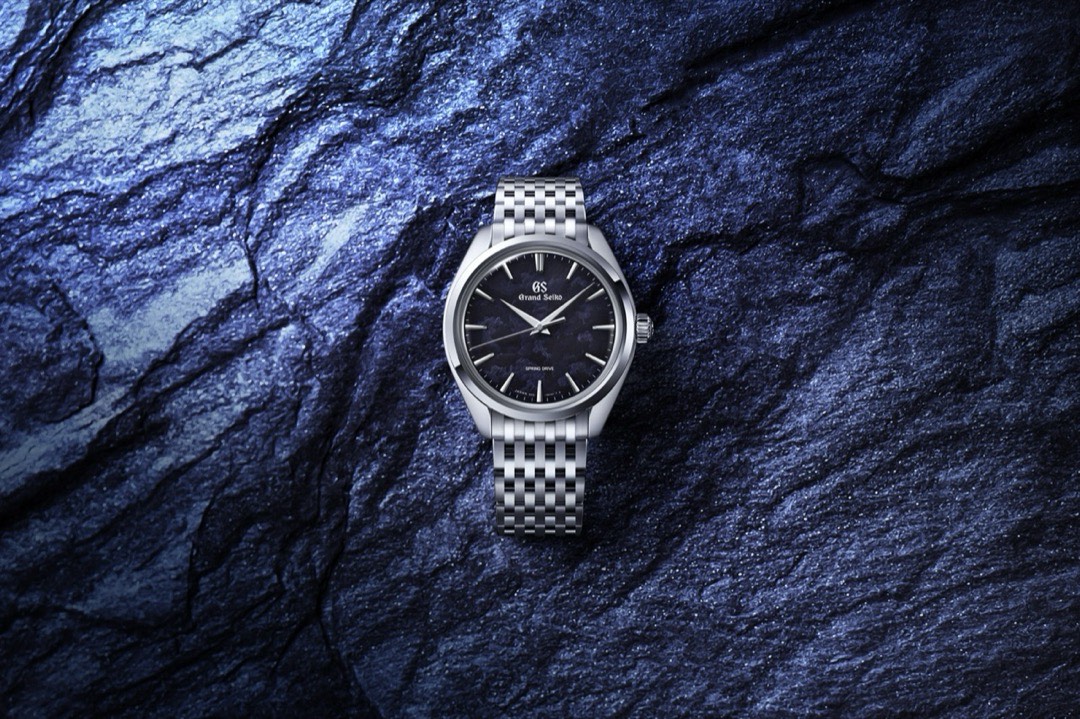
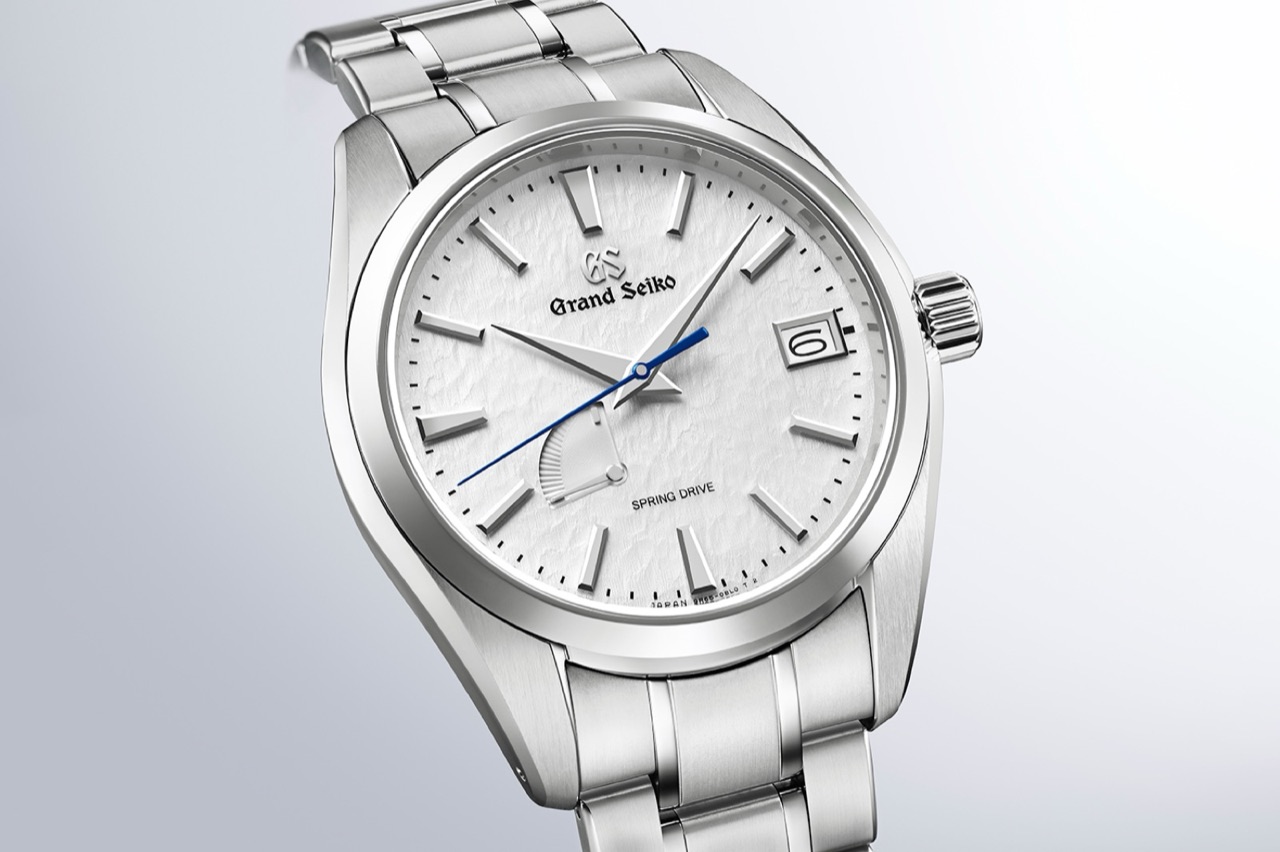
Spring Drive. This is Grand Seiko's most important invention, and it is worth understanding because nothing else works like it. A normal mechanical watch stores energy in a wound mainspring and releases it in tiny ticks through an escapement, which is why the seconds hand jumps. A quartz watch keeps far better time but needs a battery. Spring Drive runs on a wound mainspring, like a mechanical watch, but instead of a ticking escapement it uses a small generator and a quartz reference to brake the movement at a perfectly regulated speed. The result: no battery, and a seconds hand that glides smoothly instead of ticking, because the movement runs continuously rather than in steps. Accuracy lands around one second per day, better than most certified mechanical chronometers. Getting a mechanical spring to release its energy at an electronically regulated rate took Seiko decades of development, and no competitor has matched it.
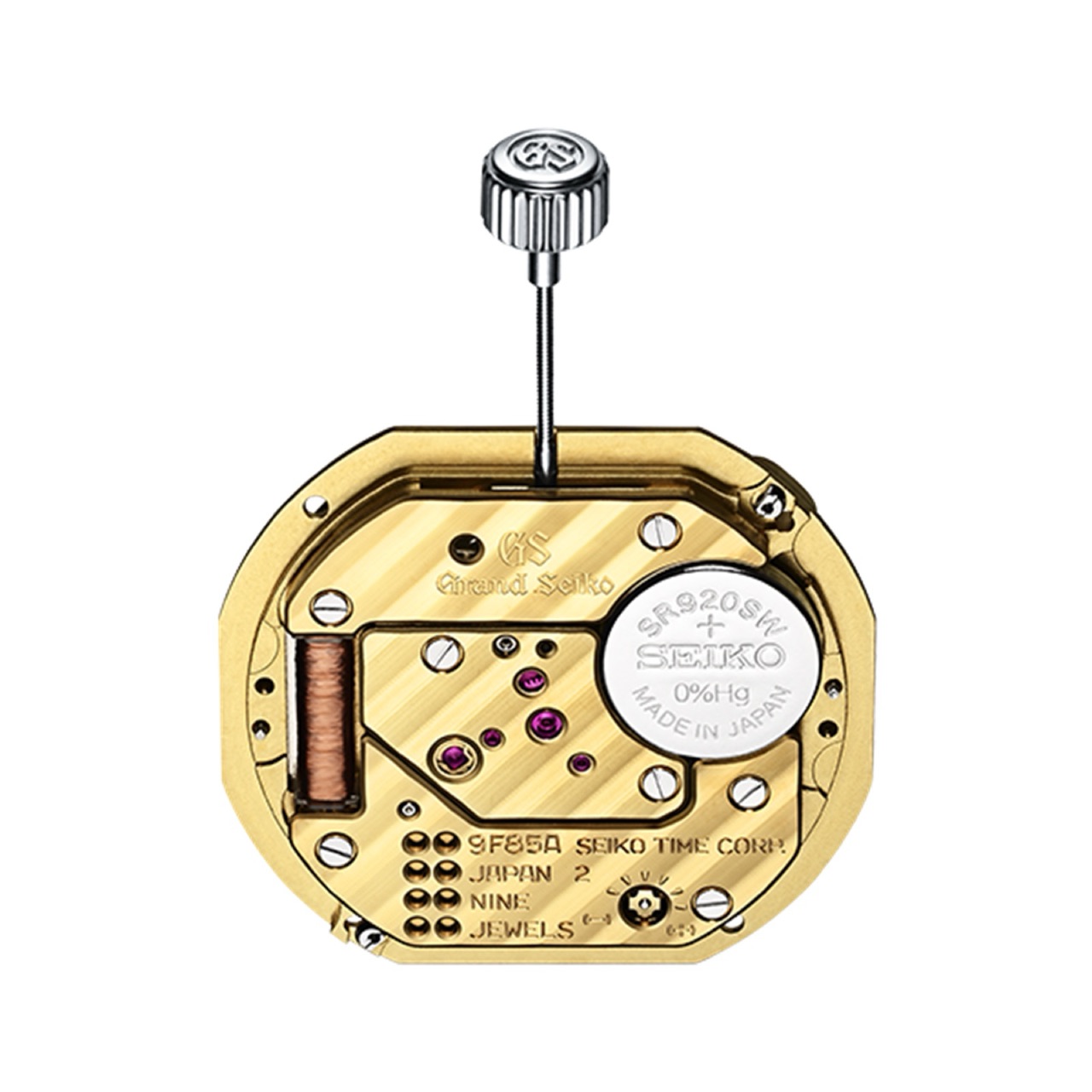
The 9F quartz. Grand Seiko refused to treat quartz as the cheap option. The 9F caliber family is high-grade quartz built with a twin-pulse motor that snaps the seconds hand into place precisely on the marker, a backlash-eliminating mechanism to stop the hand shuddering, and a thermal-compensation system that corrects for temperature swings. This is quartz engineered like a fine mechanical movement, and it is why a $2,700 Grand Seiko quartz is a serious watch rather than a placeholder.
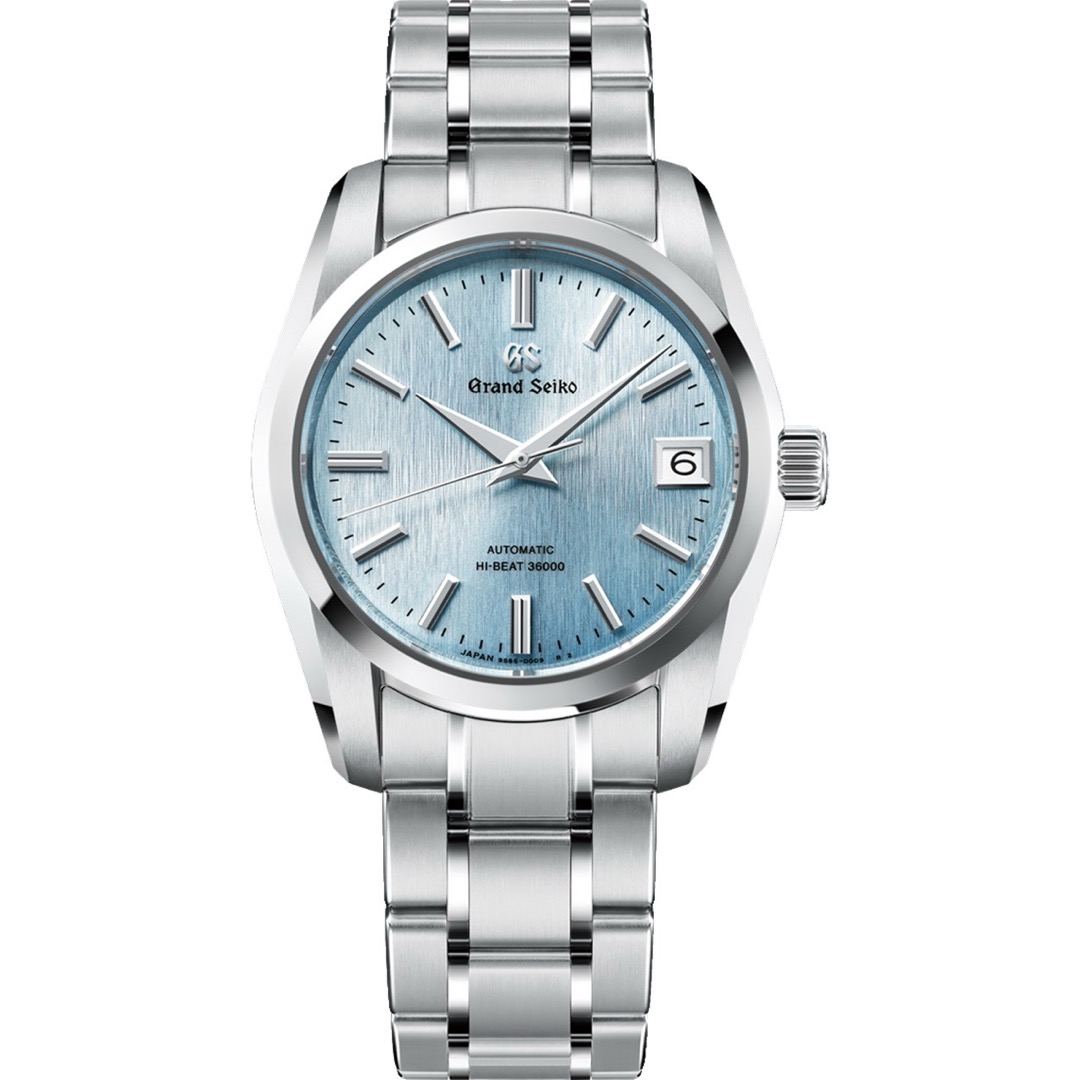
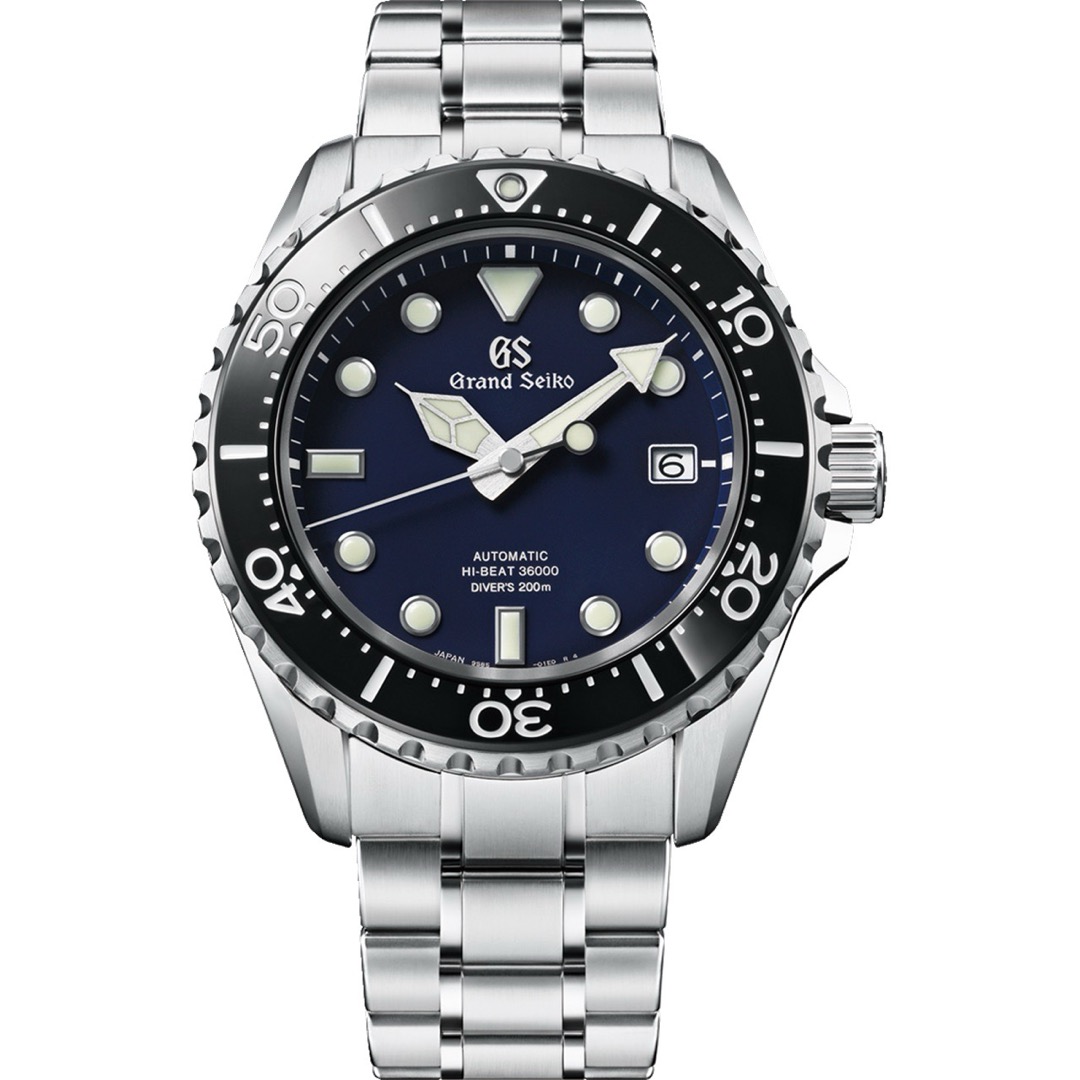
Hi-Beat mechanical calibers. A mechanical movement's balance wheel swings back and forth, and the faster it swings, the more stable its timekeeping, the same reason a fast-spinning top resists a nudge. Grand Seiko's Hi-Beat 9S movements run at 36,000 vibrations per hour, a high rate that is demanding to sustain because faster oscillation means more friction and wear. The brand has held that rate reliably where others found it hard to keep alive.
Zaratsu finishing. Covered above, but it belongs here as a genuine manufacturing achievement, not decoration. A distortion-free flat mirror is one of the hardest surfaces to produce by hand, and Grand Seiko does it at a scale no boutique atelier could.
The Kodo constant-force tourbillon. A tourbillon is a rotating cage that averages out the effect of gravity on the balance wheel; a constant-force mechanism delivers even power to the escapement as the mainspring winds down. The Kodo, Caliber 9ST1, combines both in one integrated mechanism, which is fiendishly difficult, and it won the Chronometry Prize at the 2022 Grand Prix d'Horlogerie de Genève, the industry's most credible award for pure timekeeping. Twenty examples were made at an MSRP of $350,000. That is a lot of money, and it is the one moment where Grand Seiko chose to play the exotic-complication game it usually declines.
The Collections
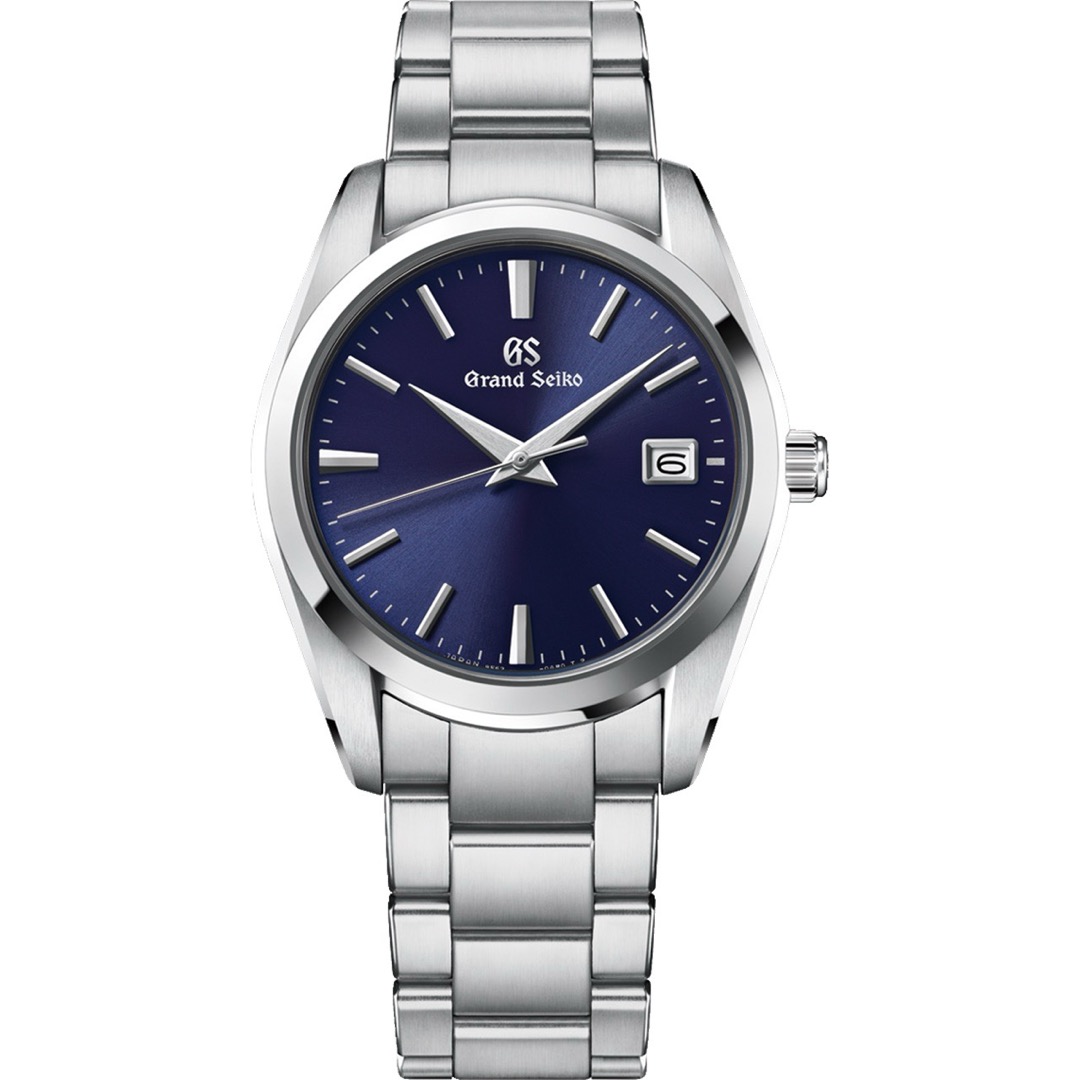
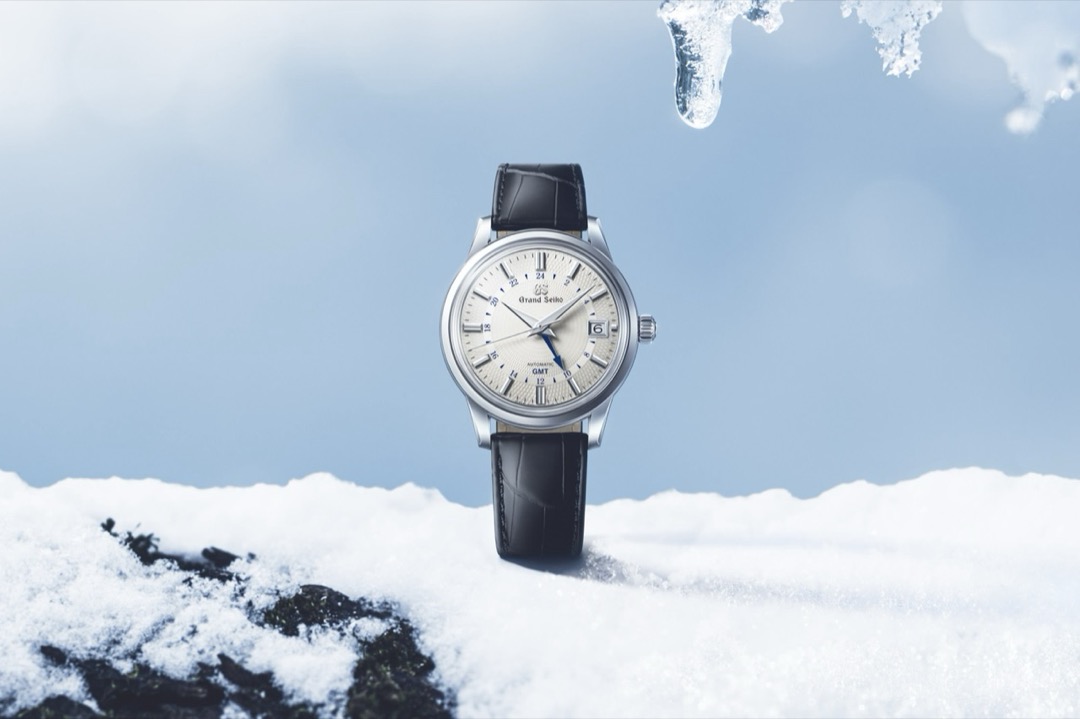
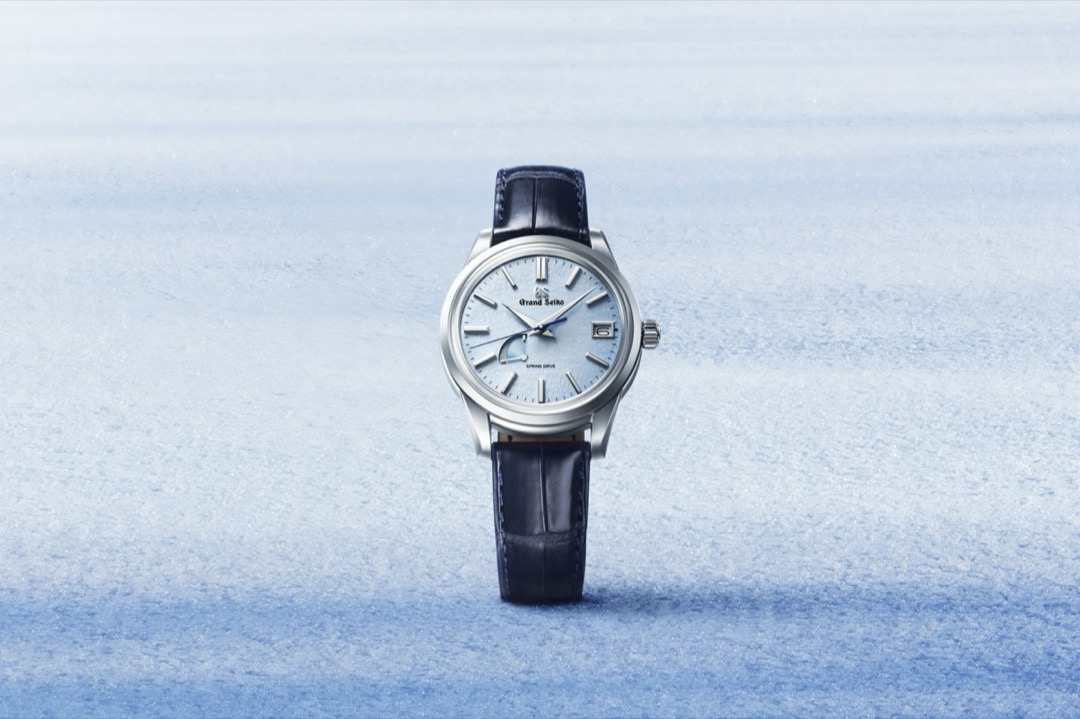
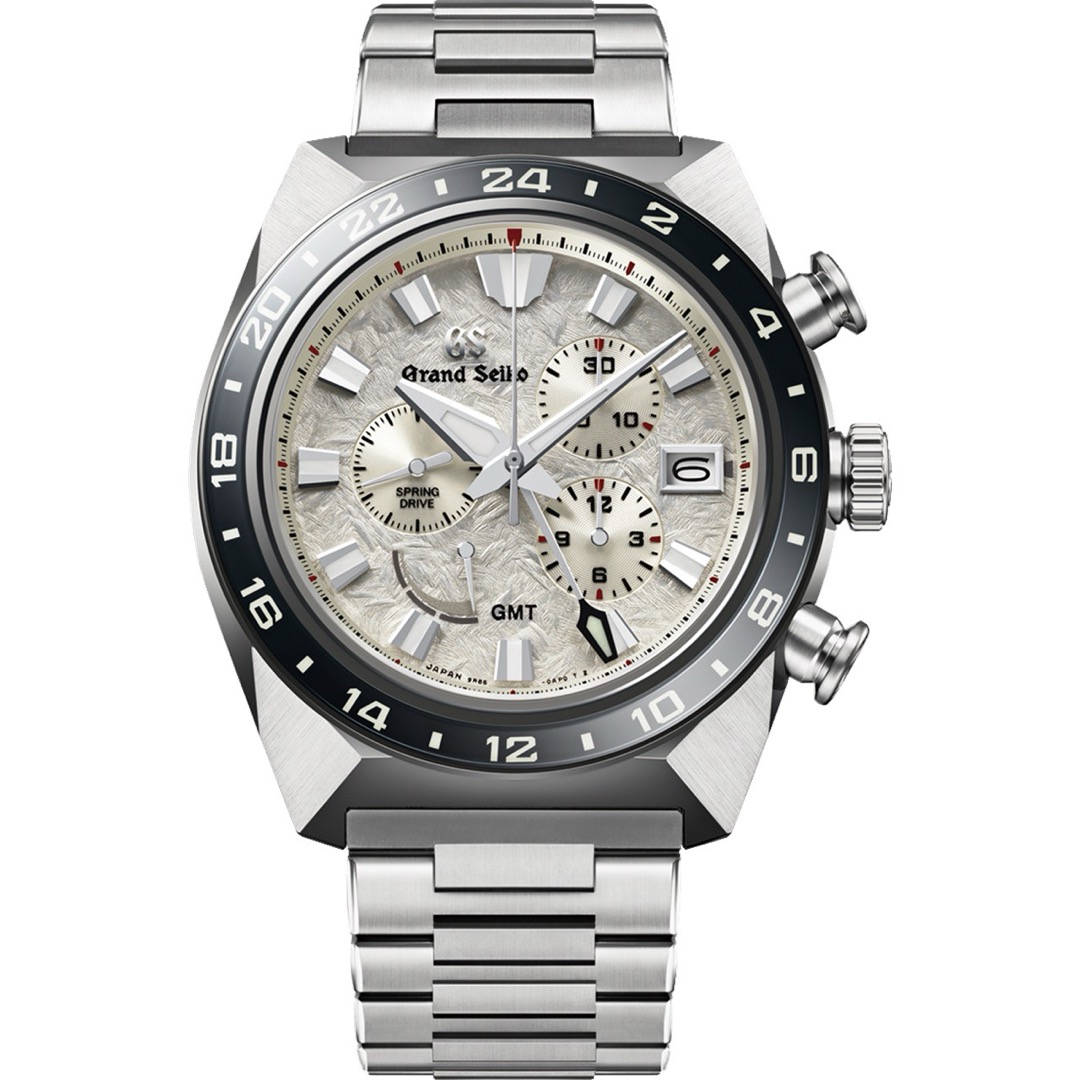
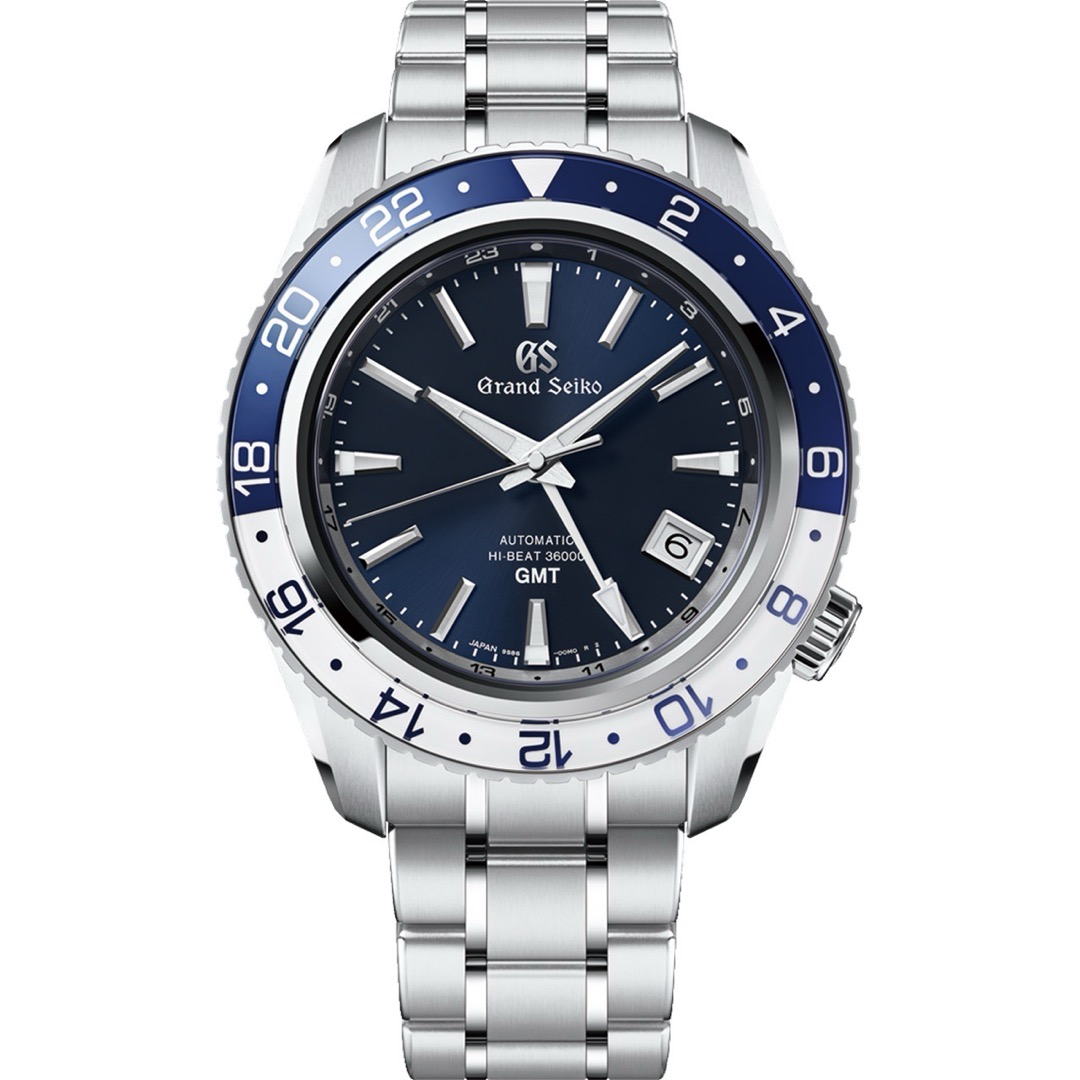
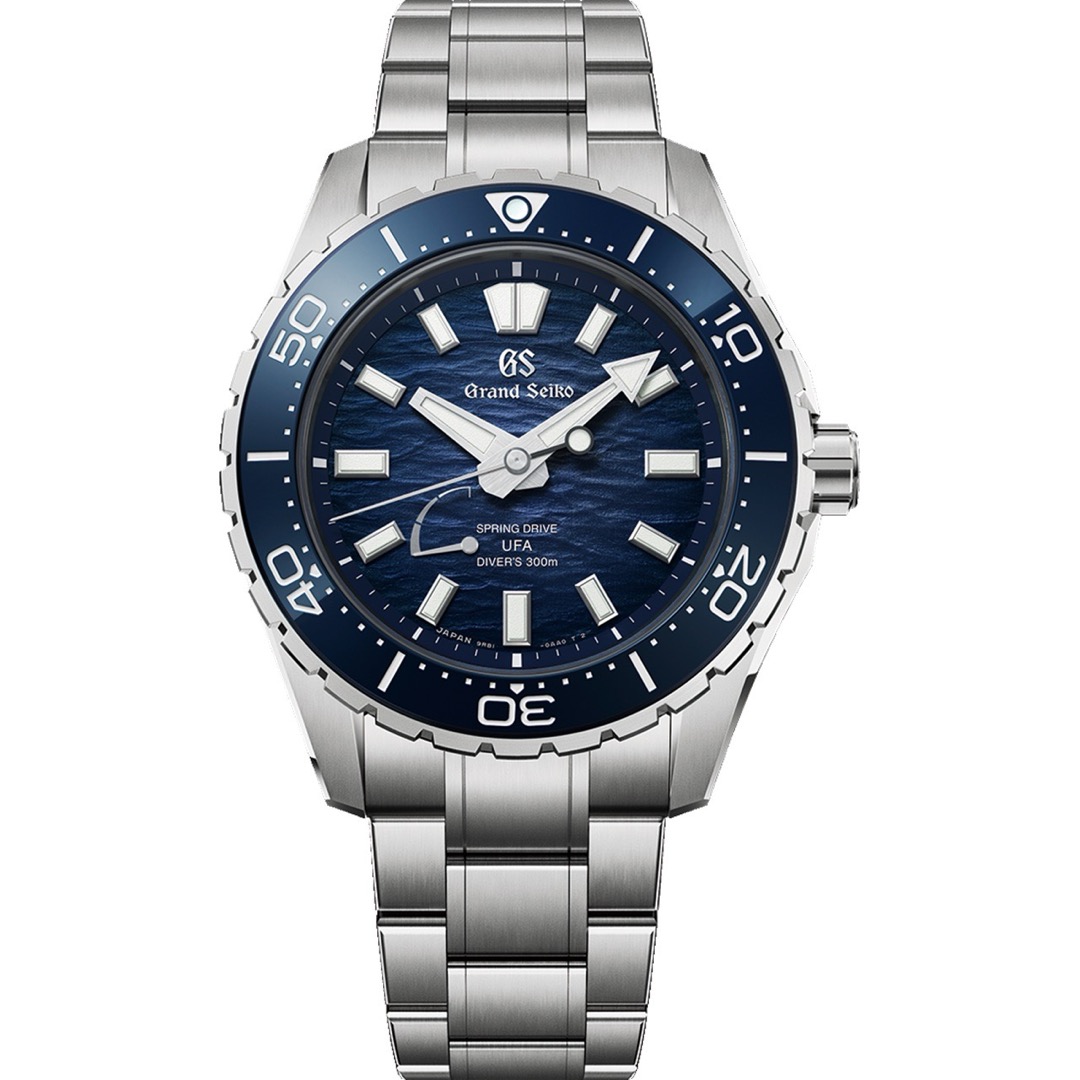
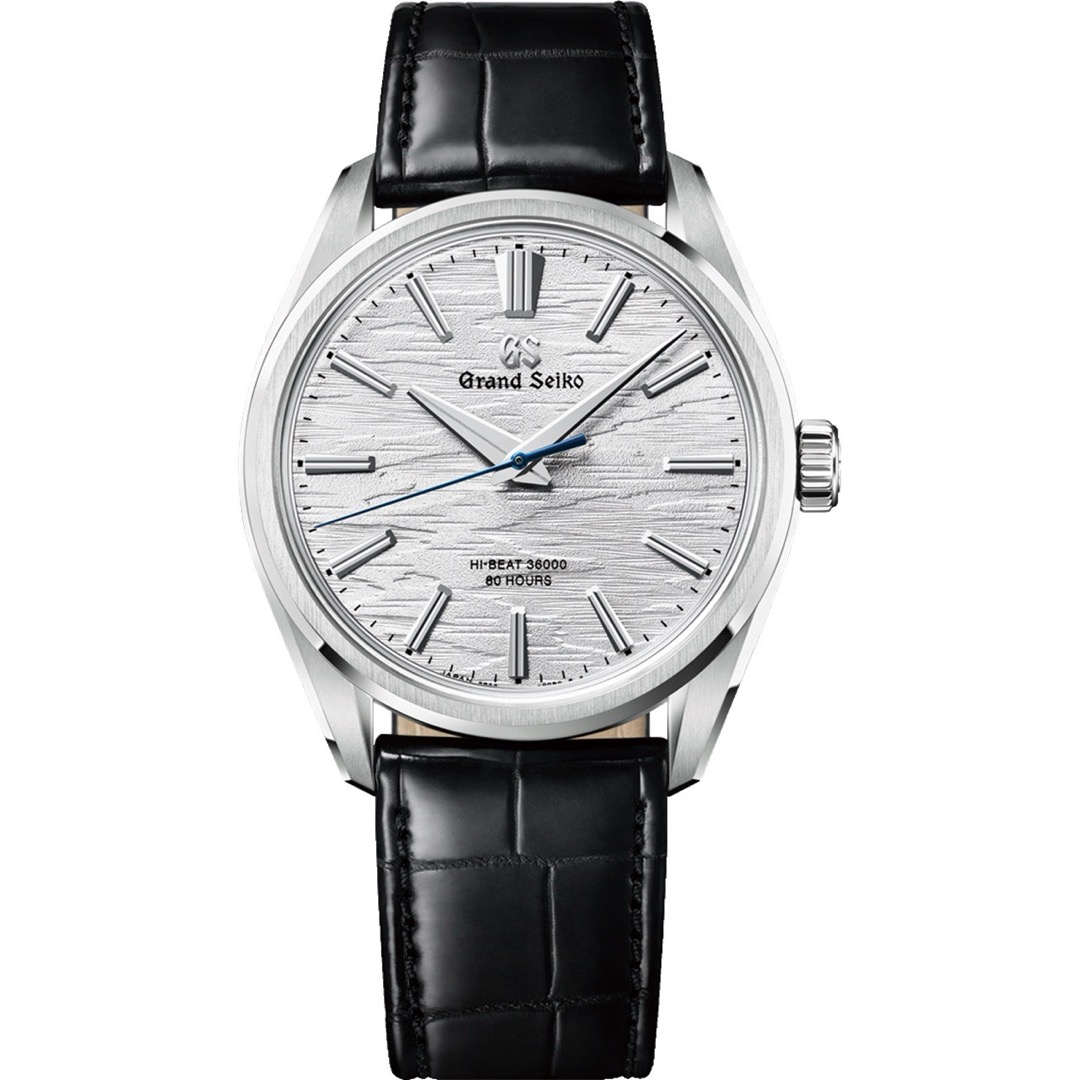
The current lineup sorts into families by mood and use: Heritage as the classic core, Elegance for dress pieces, Sport for tool watches, Evolution 9 as the modern design direction, and Masterpiece at the top for the grand complications. What follows are the ones that best define the brand.
Heritage
Elegance
Sport
Evolution 9
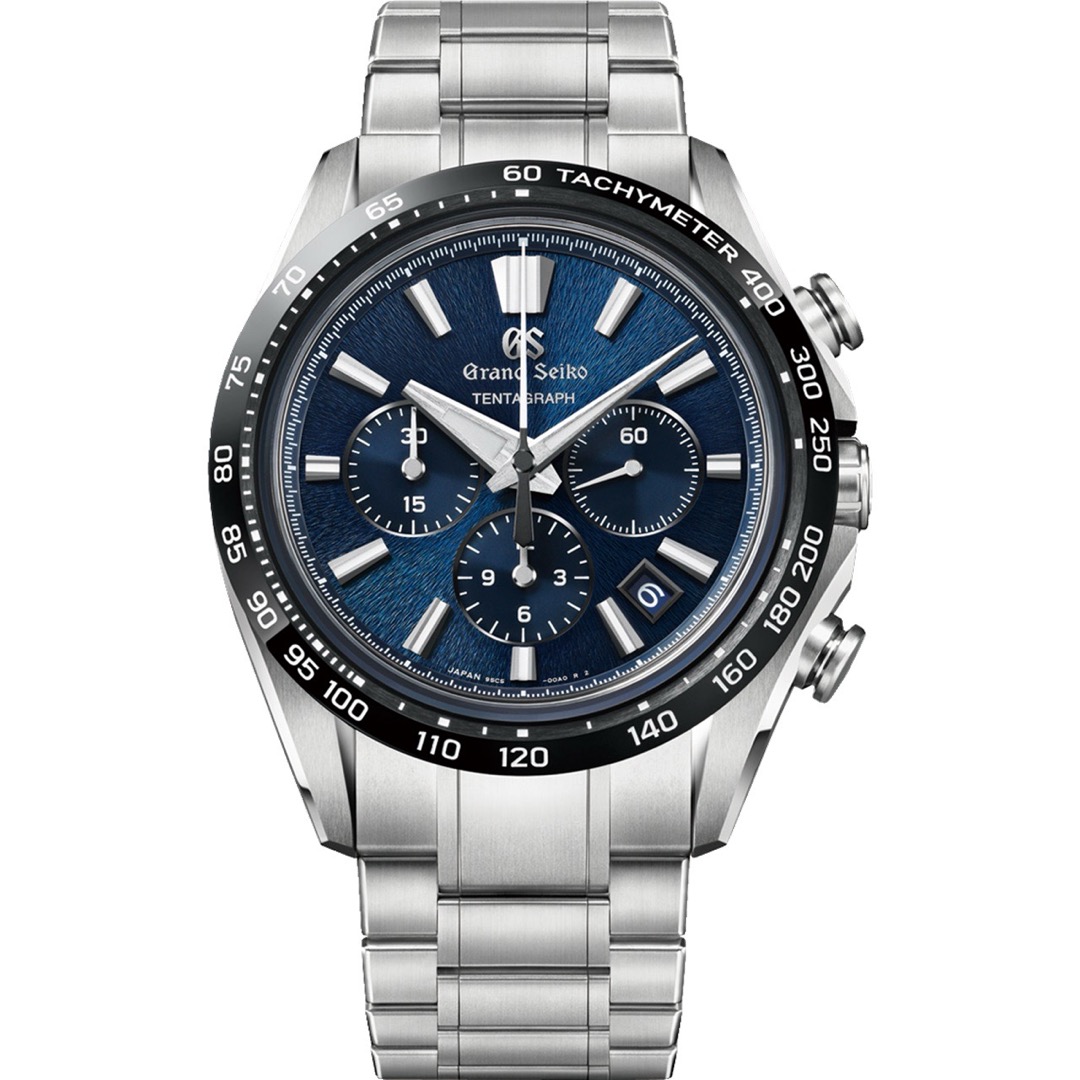
Masterpiece
Cultural Impact
How Grand Seiko built a following, mostly among enthusiasts.
For most of its life, Grand Seiko had almost no cultural footprint outside Japan, for the simple reason that you could not easily buy one outside Japan until 2010. There was no era of celebrity wrists and red-carpet placements building the name. The reputation grew the slow way, through enthusiasts who discovered the watches, understood what the finishing cost to produce, and told other enthusiasts.
That origin shaped the collector culture, which is unusually technical and unusually evangelical. Grand Seiko owners tend to talk about escapements and polishing angles rather than status, and they tend to have arrived at the brand deliberately, having compared it against Swiss watches at the same price and concluded they were getting more metal-craft for the money. The community treats "underrated" as a badge.
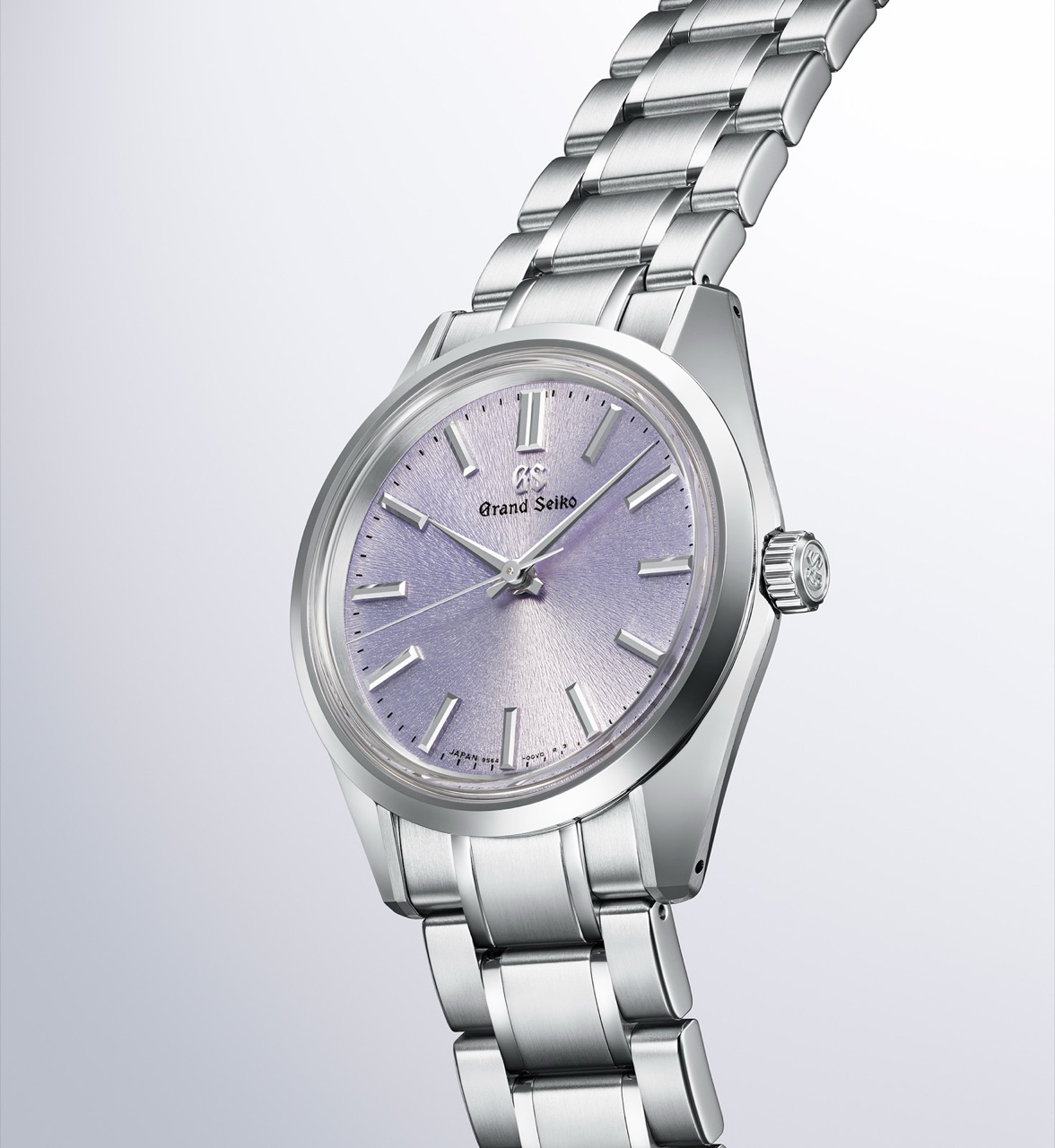
The nature dials became what the brand is best known for. The "Snowflake" Spring Drive, with a dial textured to resemble fresh snow, is the watch that converted a large share of Western enthusiasts, and it did more for the brand's profile than any ambassador could have. It made the point that a Japanese company could sell romance as convincingly as any Swiss house, on its own cultural terms.
In the resale market, Grand Seiko occupies an honest and slightly awkward position. Limited editions and the nature dials hold value well and can trade above retail. Standard-production pieces depreciate more than a comparable Rolex, which is the flip side of the brand's own value pitch: if a new one is fairly priced, a used one cannot command a huge premium. That is a healthier state of affairs than the speculative frenzy around certain steel sports watches, though a buyer hoping for an investment should know it going in.
Where They Stand Today
Where Grand Seiko stands today, its strengths, and its risks.
Grand Seiko's market position is distinctive. It competes on price with the mid-tier Swiss houses, Omega, Longines at the lower end, IWC and Zenith higher up, but competes on finishing with brands that cost multiples more. Its actual peers on craftsmanship sit far above its price. That gap is the whole value proposition, and it is real.
Corporately, the brand is steered by Akio Naito, President and CEO of Seiko Watch Corporation, who took the presidency in 2021 when Shinji Hattori, great-grandson of founder Kintaro Hattori, moved to chairman. The 2018 launch of Grand Seiko Corporation of America, the first group company devoted solely to Grand Seiko, and the 2022 Asia-Pacific subsidiary signalled a company finally taking global distribution seriously after decades of treating it as an afterthought.
The strengths are easy to name. Full vertical integration, so it controls quality end to end. Spring Drive, which nobody can copy. Finishing that punches far above its price. And a design identity, the Grammar of Design and now Evolution 9, that is coherent and its own.
The challenges are just as real. Brand recognition outside enthusiast circles remains thin, which caps what the brand can charge and limits resale support. The catalogue has grown large and confusing, with limited editions arriving at a pace that dilutes the core message. And prices have crept upward across the range in recent years, which chips at the value story that drew people in. If a $6,000 Grand Seiko becomes a $9,000 Grand Seiko, the argument against a Swiss watch at that price gets harder to make.
What to watch for is whether Grand Seiko can raise its profile without losing the thing that made it beloved. The Kodo tourbillon and the Shizukuishi studio show a brand reaching for the top tier. The risk is that in chasing recognition and higher prices, it abandons the customer who came for an honestly priced instrument and stayed for the polishing. For now, the entry watches remain the most impressive thing in their price bracket, and that is the ground the brand should be most careful to hold.