


Rolex
How Hans Wilsdorf founded Rolex and proved a wristwatch could keep accurate time.
The Story
How Hans Wilsdorf founded Rolex and proved a wristwatch could keep accurate time.
In 1910, a young man walked into the Official Watch Rating Center in Bienne, Switzerland, and handed over a wristwatch to be tested. Few people then took a wristwatch seriously. Serious timekeeping lived in the pocket watch, tucked into a waistcoat, protected from the world. Wristwatches were seen as jewelry for women, not instruments for men who needed to know the time.
The watch passed. It became the first wristwatch ever awarded a chronometer certificate, an official document confirming it kept time to a standard the industry reserved for its best pocket watches. The man who submitted it was Hans Wilsdorf, and his whole business depended on that result.
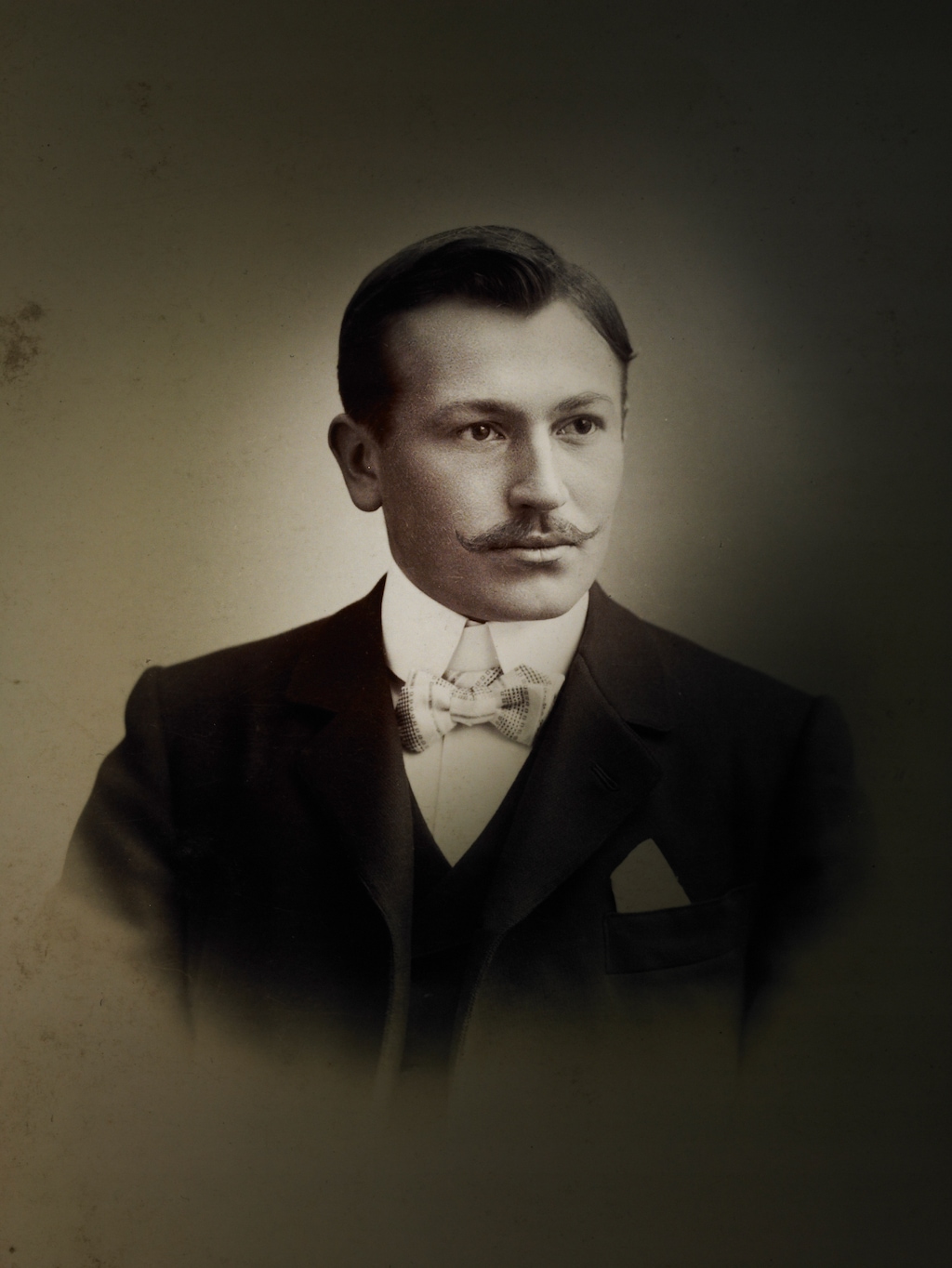
Wilsdorf was born in Kulmbach, Bavaria, on March 22, 1881, about thirty miles north of Nuremberg. He was orphaned young, developed a fascination with English culture, and drifted into the watch trade. By his twenties he had landed in London with an idea and no money. He wanted to import Swiss watches and sell them under his own name.
The money came through his lawyer, who introduced him to Alfred James Davis. Davis put up capital; Wilsdorf ran everything. In 1905 they formed Wilsdorf & Davis Limited, and while both names sat above the door, it was Wilsdorf's company in every way that mattered.
Wilsdorf believed the wristwatch would replace the pocket watch, and few in the trade agreed. To win, he needed precision packed into a very small movement, the tiny mechanical engine that drives the hands. Small movements were hard to make accurate. Most makers could not do it.
He found his answer in a supplier called Aegler, a firm in Bienne that specialized in exactly the small, precise movements almost nobody else could produce. Aegler supplied Wilsdorf, and also Gruen and others, but the relationship with Wilsdorf grew closer until Aegler became, decades later, the movement maker inside Rolex itself.
In 1908 Wilsdorf adopted the name "Rolex," and he chose it with care. He wanted something short, easy to say, memorable, identical in any language, and elegant enough to fit on a dial and a movement. He took his cue from Kodak, George Eastman's invented word, which meant nothing and resembled nothing. "Rolex" also hints at winding a watch crown, and the hard "x" has a little tick to it.
In 1914 Wilsdorf sent a wristwatch to Kew Observatory in England, which ran the strictest accuracy tests of the day. Kew normally tested marine chronometers for the Royal Navy over 44 days in varied positions and temperatures, against the usual 15. The Rolex earned a Kew "Class A" certificate, the first wristwatch in the world to do so. Until then, only true marine chronometers had carried the mark.
Max Studer, once technical director at Patek Philippe, put the stakes plainly: "An observatory chronometer is to watches what a Formula One engine is to cars." Wilsdorf had built the engine before anyone believed the car would sell.
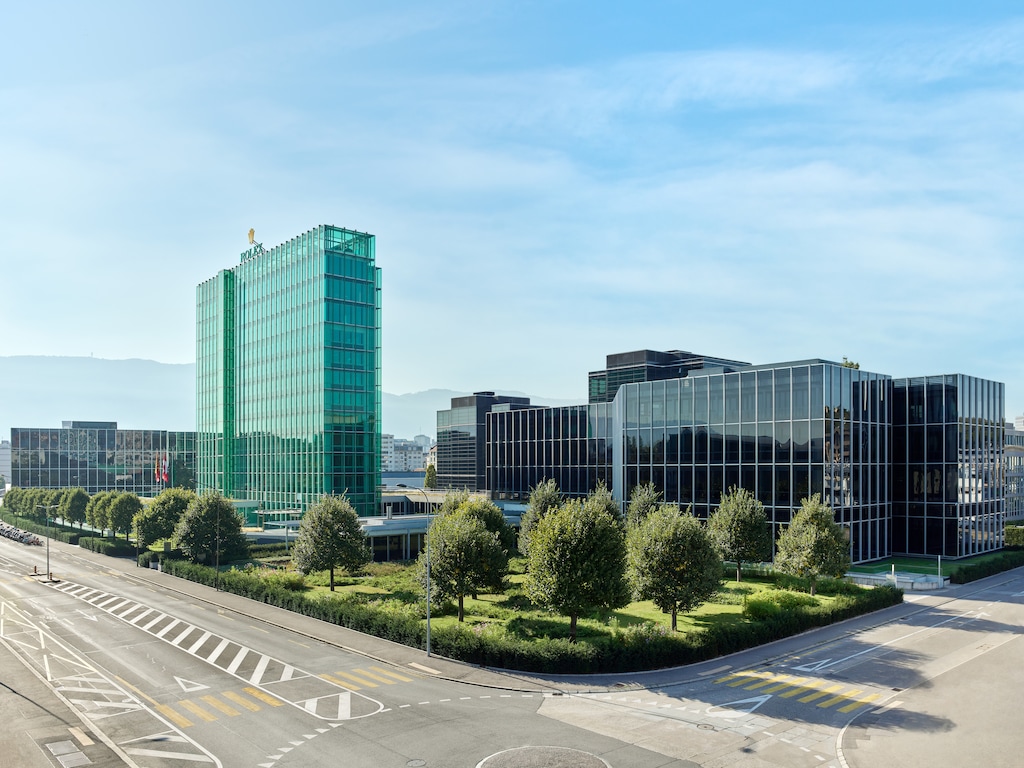
In 1920 he moved the company to Geneva and incorporated it as Montres Rolex S.A., closer to his suppliers and to the prestige the city carried with watch buyers. He had a certified wristwatch and a name that worked like a logo. The next problem was keeping water out of the case.
Philosophy & Identity
How Rolex improved ideas that already existed and made them its own.
In its early decades, Rolex rarely invented first. It took an existing idea and improved it until people forgot who went first. Wilsdorf did not invent the waterproof crown or the self-winding movement. He bought the good patents, then built the version everyone else ended up copying. Today Rolex invents as well, from its own alloys to a new escapement.
Precision was the first priority, and it still is. To this day every Rolex movement is chronometer-certified, and the company's own "Superlative Chronometer" standard runs tighter than COSC, the independent Swiss body that certifies accuracy for the whole industry. Rolex tests to its own harder bar and says so on the dial.
Rolex design changes slowly, sometimes to the point of stubbornness. The fluted bezel, the ridged ring around the crystal, started as a functional feature; the ridges let watchmakers screw the bezel tightly into early waterproof cases. The bezel stopped screwing in long ago, but the fluting stayed, because by then people recognized Rolex by it. Rolex rarely abandons a shape that people recognize.
Rolex's way of working is clearest in its manufacturing. Rolex is almost totally vertically integrated, meaning it makes its own components rather than buying them, from the steel to the gold to the hairspring. It owns a gold foundry, a materials laboratory staffed by scientists recruited from outside the watch world, and machines built to Rolex's own specifications. Making your own engine matters because it means nobody outside the company can limit your quality or your supply.
Rolex also tells two stories at once. It resists being called a luxury brand while working as the ultimate one. A Submariner is sold as a tool for divers and reaches the wrist of a hedge fund manager who will never get it wet. The company protects the tool-watch story because that story is what sells the luxury.
The Acquired podcast put it this way: "Rolex is a cascade of paradoxes, one of the best-known brands in the world, and one of the least-known companies in the world." It advertises constantly and discloses almost nothing, and it treats that contradiction as part of the brand.
The Journey
How Rolex grew from a London importer into the company others measure themselves against.
The Wilsdorf Foundations
1905–1945The first four decades are the story of one man setting the standards the industry later followed. Precision came first, then waterproofing, then self-winding, then the advertising that made people want the engineering.
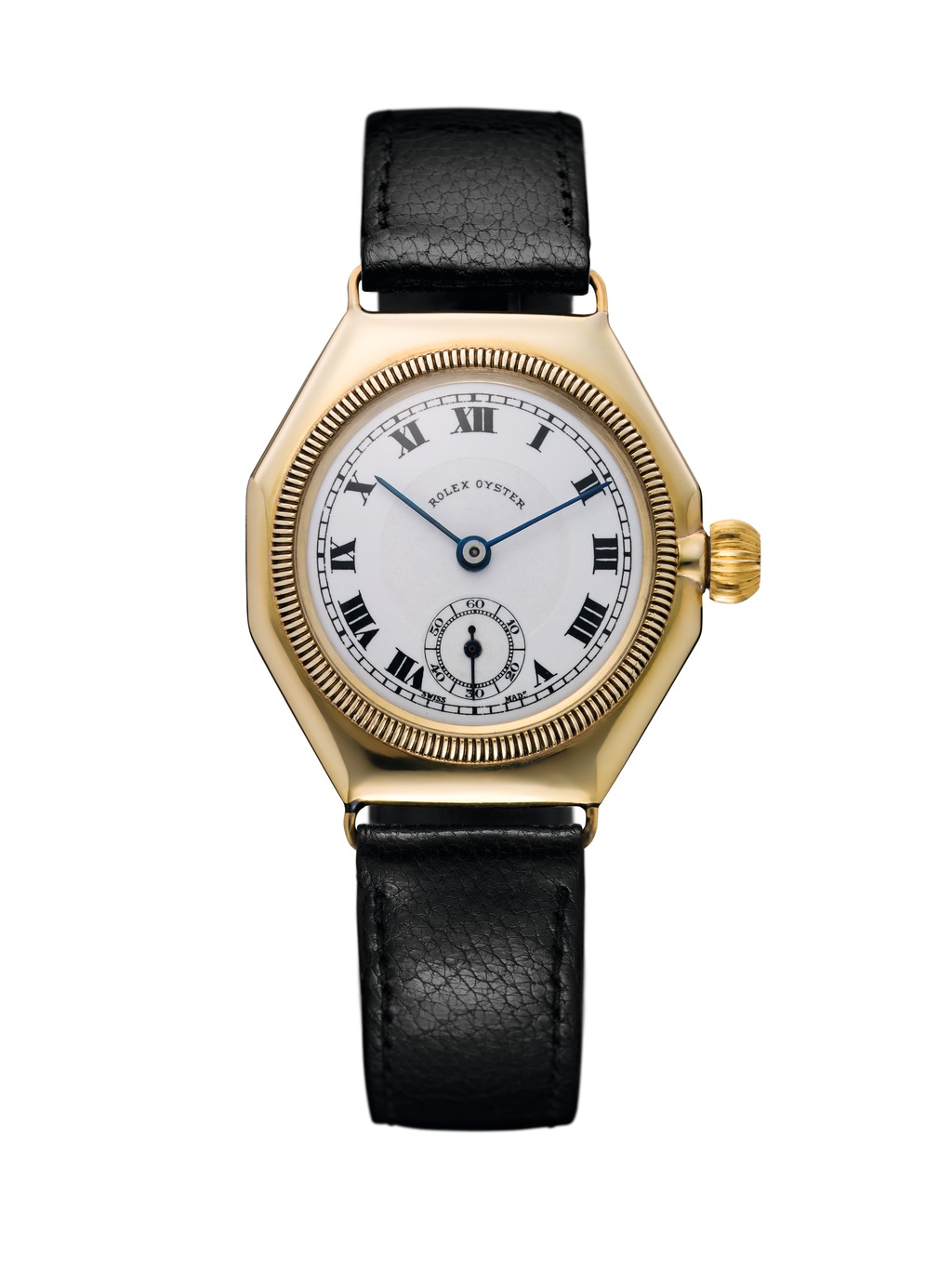
The Oyster arrived in 1926, a case sealed like a shell against water and dust, built around a screw-down crown Wilsdorf had bought the patent to the year before. It was the first genuinely waterproof wristwatch to reach the market, and Wilsdorf spent over £10,000 a year advertising it in Britain alone, an enormous sum, to make "Oyster" his idea in the public mind.
The Professional Era
1945–1970After the war, Rolex effectively created the category of the "Professional watch," instruments built with the people who would actually use them and then sold to everyone else. Each one solved a real problem for the people it was built with.
The launches came quickly. The Datejust in 1945 put the date in a window on the dial. The Submariner and Explorer arrived together in 1953, the GMT-Master in 1955, the Day-Date in 1956, and the Daytona in 1963. This is the decade that filled the catalogue Rolex still sells today.
Ownership and Integration
1945–1992Wilsdorf's first wife Anna died in 1944, and he had no children. In the mid-1940s he placed 100 percent of his ownership of Rolex into the Hans Wilsdorf Foundation, a Geneva charitable body established in 1945. When he died in 1960, the Foundation still owned everything, and it does to this day.
This is the most important fact about the company. With no shareholders and no debt pressure, Rolex operates with a margin of safety no rival can match. Under André Heiniger and then his son Patrick, the company consolidated 27 facilities into four and bought its suppliers outright.
Surviving Quartz
1970–2000In the 1970s a technology nearly killed Swiss watchmaking. Quartz watches, driven by a vibrating crystal and a battery, were cheaper and more accurate than any mechanical watch, and the market fled. The Swiss share of world watch units collapsed from roughly 85 percent after the war to about 15 percent by 1980, and Swiss firms fell from over 2,000 in 1960 to fewer than 500.
Rolex made a quartz watch, the Oysterquartz, but never committed. Fewer than about 1,000 of its 600,000-plus annual watches were quartz, and the line was dropped in the early 2000s. Independent and foundation-owned, Rolex could ride out the crisis on its own terms while others needed rescuing. The industry's recovery, repositioning mechanical watches as heritage luxury, delivered Rolex into exactly the world it was already built for.
The Modern Machine
2000–PresentRolex today is still changing. It has moved down the value chain into retail and resale, and it still develops new movements instead of only refreshing old models.
Defining Innovations
The engineering Rolex introduced, and why each piece mattered.
The waterproof Oyster case of 1926 was the first breakthrough, and it defined everything after. Sealing a mechanical watch against water is genuinely hard because the crown, the little knob you wind and set the watch with, is a hole in the case by necessity. The screw-down crown closed that hole. Dive watches still use the same idea.
The self-winding Perpetual movement followed in 1931. A weighted rotor, a metal segment that swings with the motion of your wrist, wound the mainspring automatically through a full 360-degree rotation. John Harwood had patented a self-winder in 1924, but his design swept only a limited arc. Rolex's full-rotor version won and became the industry standard, the pattern nearly every automatic watch uses today.
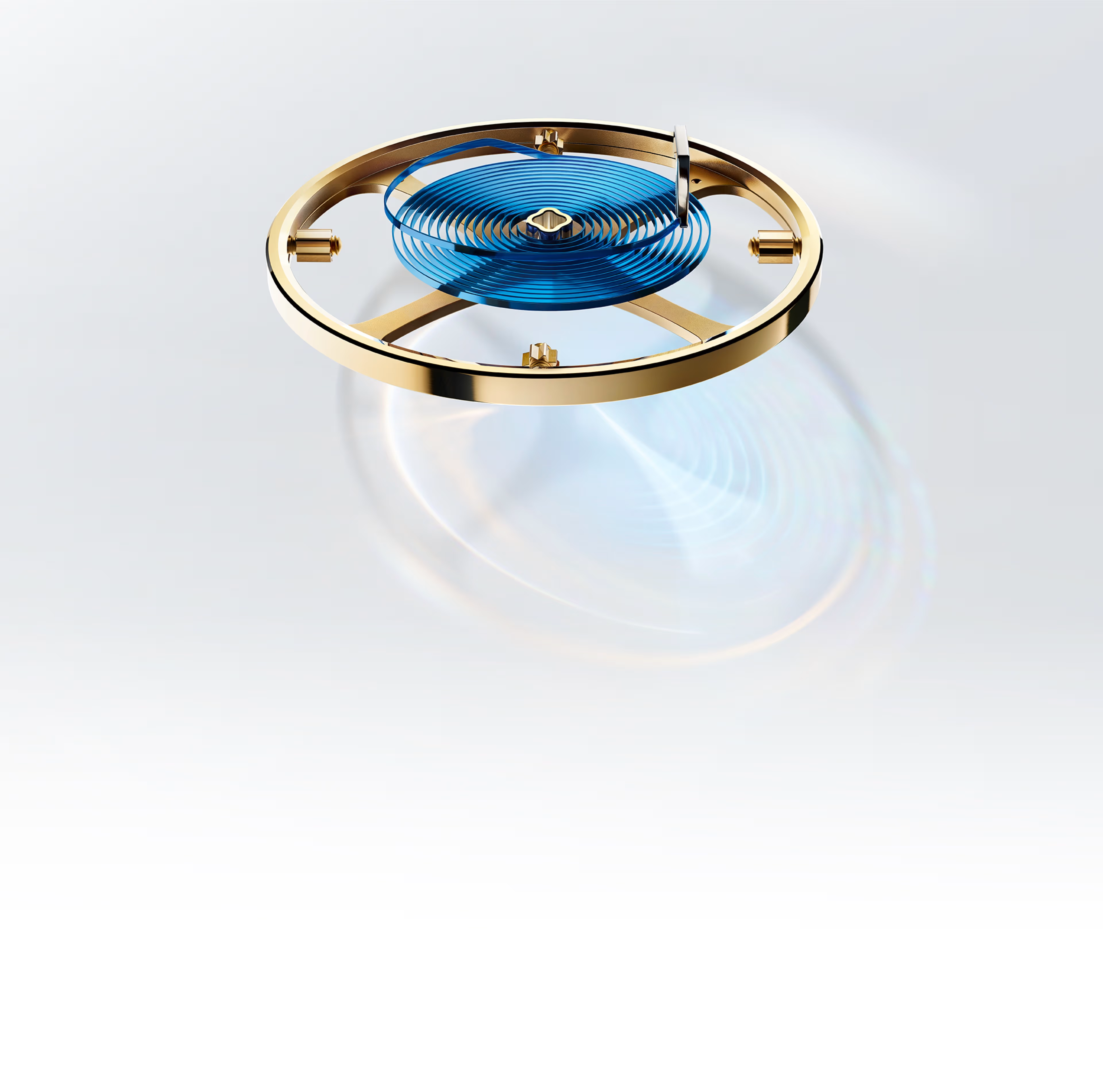
The materials science is where Rolex spends money most others do not. It makes its own 904L steel, branded Oystersteel, which resists corrosion and holds a polish better than the standard 316L most watchmakers use. The Parachrom hairspring, made from an in-house niobium-zirconium alloy, offers up to roughly ten times better shock resistance and resists magnetic fields, which would otherwise wreck timekeeping. The Paraflex shock absorber improves impact protection by around 50 percent.
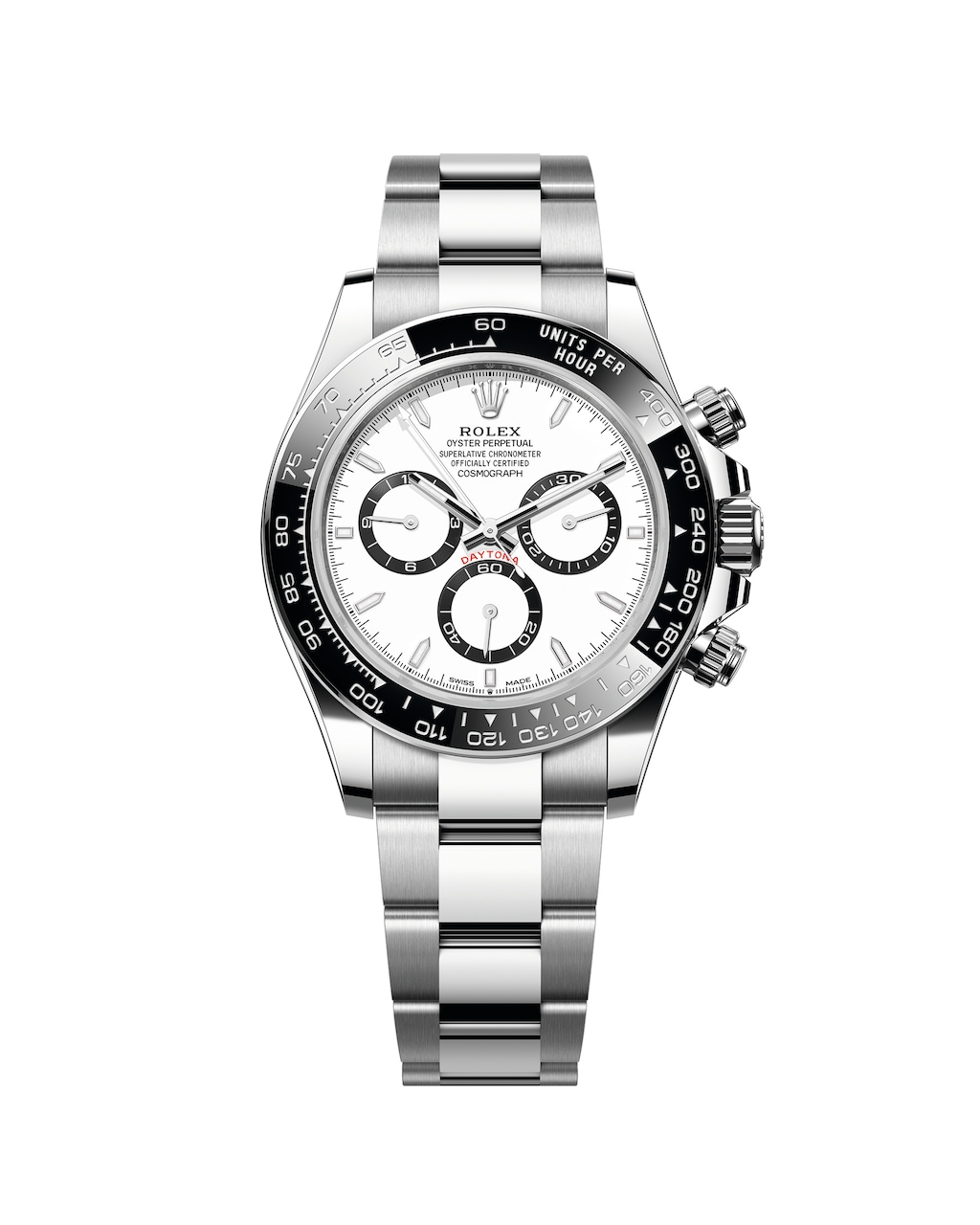
Then there is the caliber 4130, the chronograph movement inside the modern Daytona. A chronograph is a stopwatch built into a watch, and it is one of the hardest things to make well. The 4130 uses a column wheel and vertical clutch for smooth, reliable starts, and reduced a fiddly five-point adjustment to a single one. One anonymous watchmaker in HODINKEE's account called it "the pinnacle of horological engineering," adding, "I have yet to encounter another watch movement that comes close."
Rolex keeps improving the 4130 without saying much about it. It added a hairspring-protection block, a horological first, and LiGa "playless" gears that eliminate the tiny backlash that makes a chronograph stutter at the start. There was no press release. As HODINKEE asked, could a watch company really spend the money to make a better product without shouting about it? Rolex's own record says it can.
The Collections
The main Rolex lines, what each is for, and what they cost.
The Rolex catalogue is small by luxury standards and almost entirely descended from the 1945-to-1963 run of launches. The lineup splits cleanly into the accessible everyday watches, the professional tool watches, and the precious-metal flagships, with one genuinely new arrival in 2025.
Oyster Perpetual
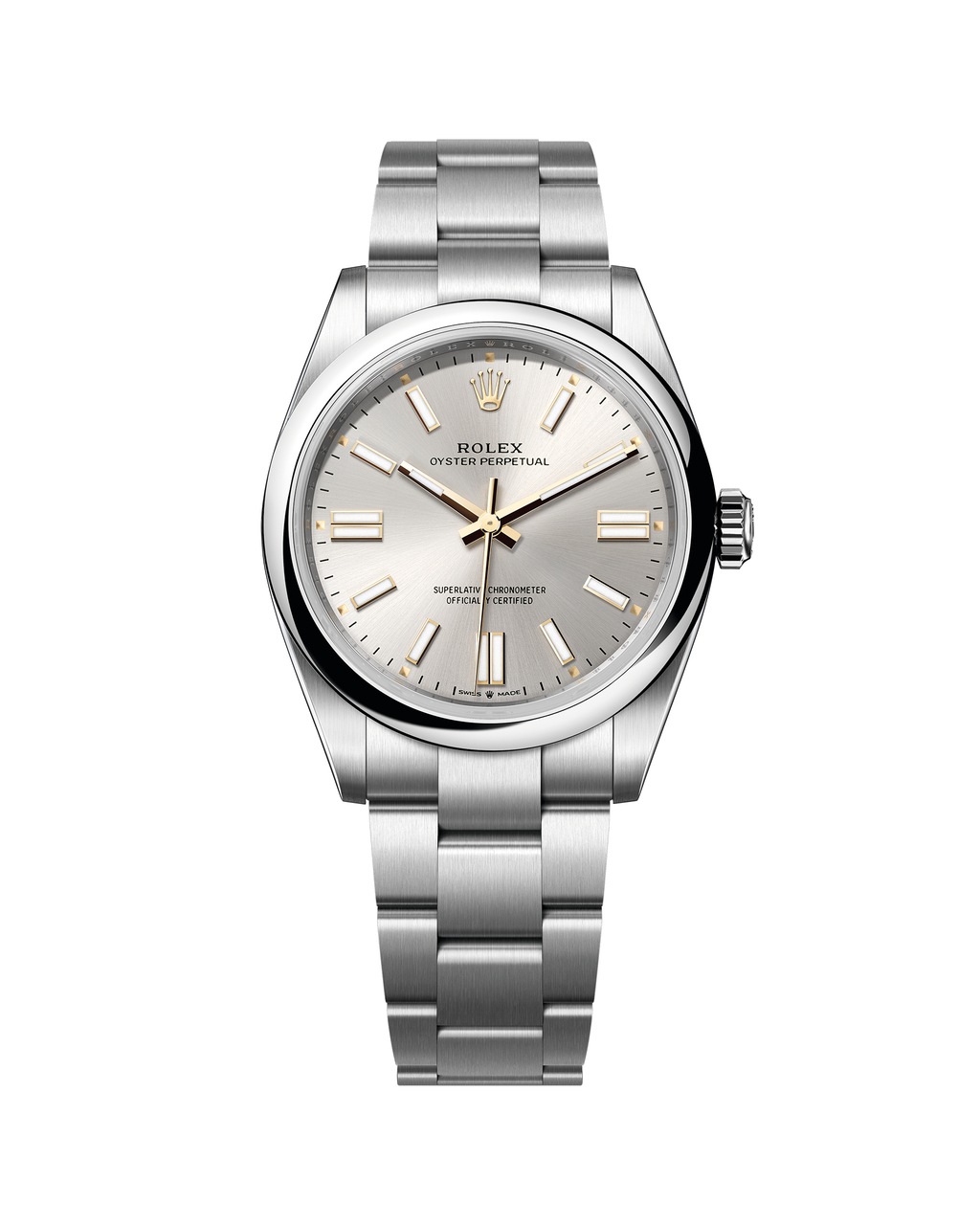
Datejust
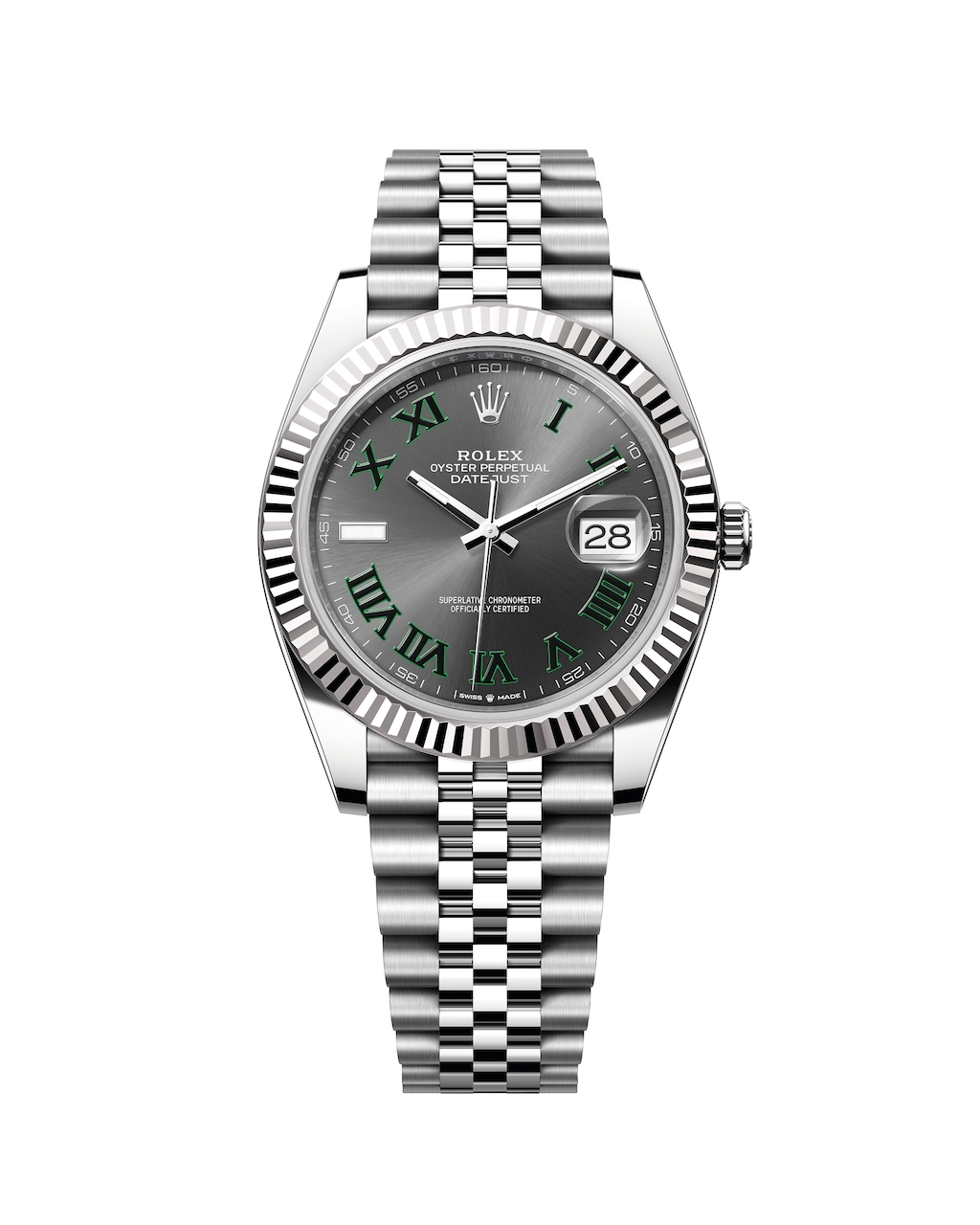
Submariner
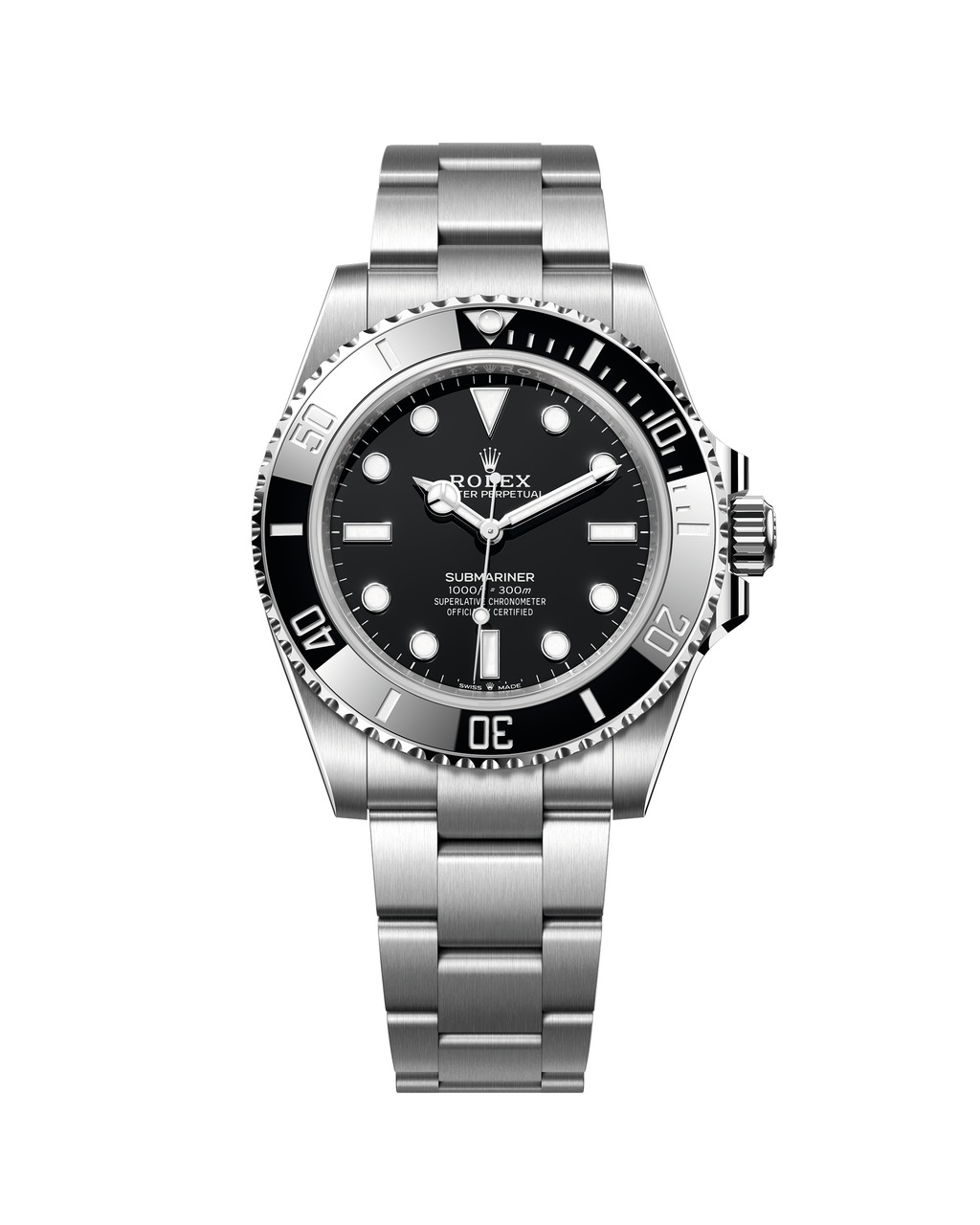
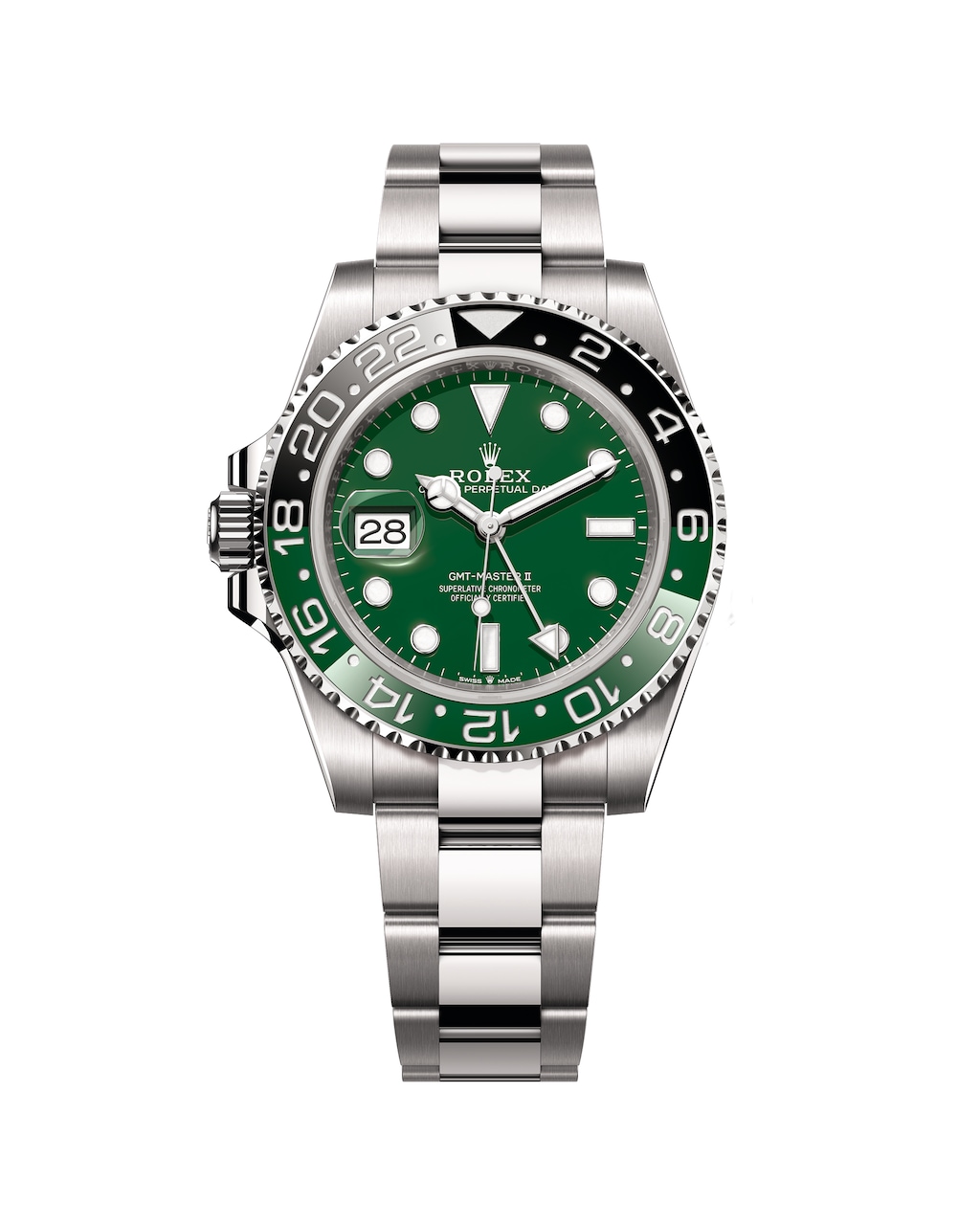
GMT-Master II
Cosmograph Daytona
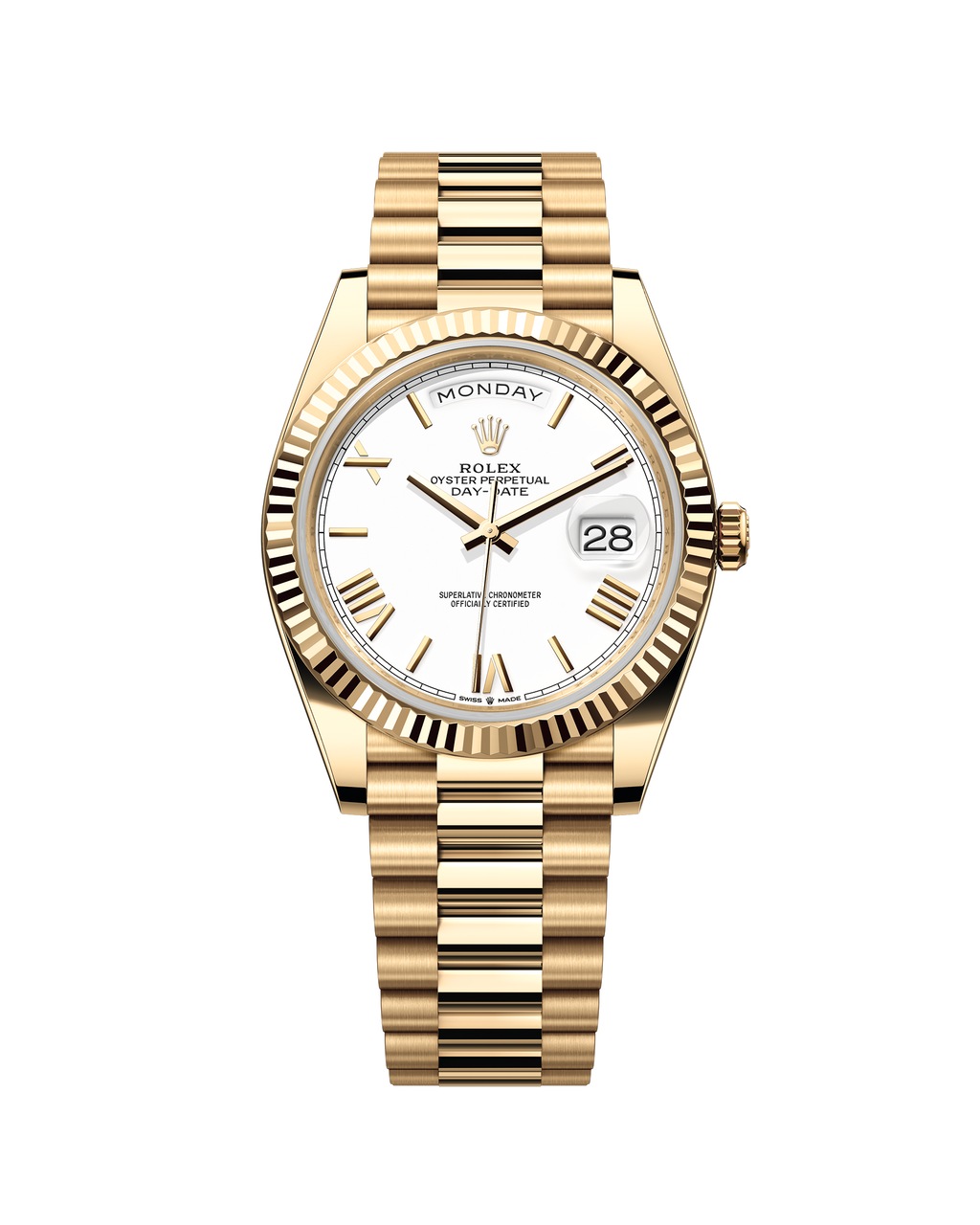
Day-Date
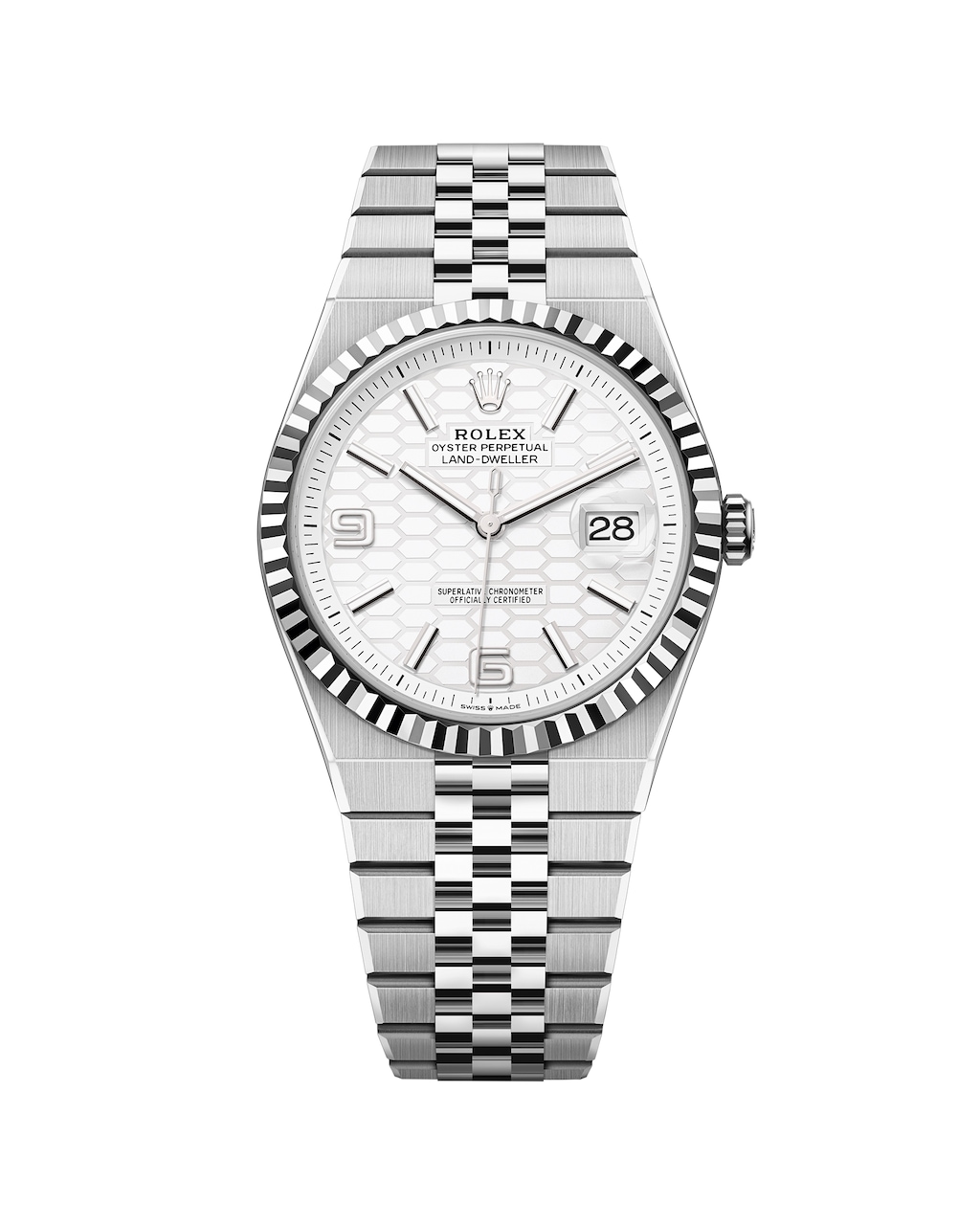
Land-Dweller
Cultural Impact
How Rolex became shorthand for success, and how it markets itself.
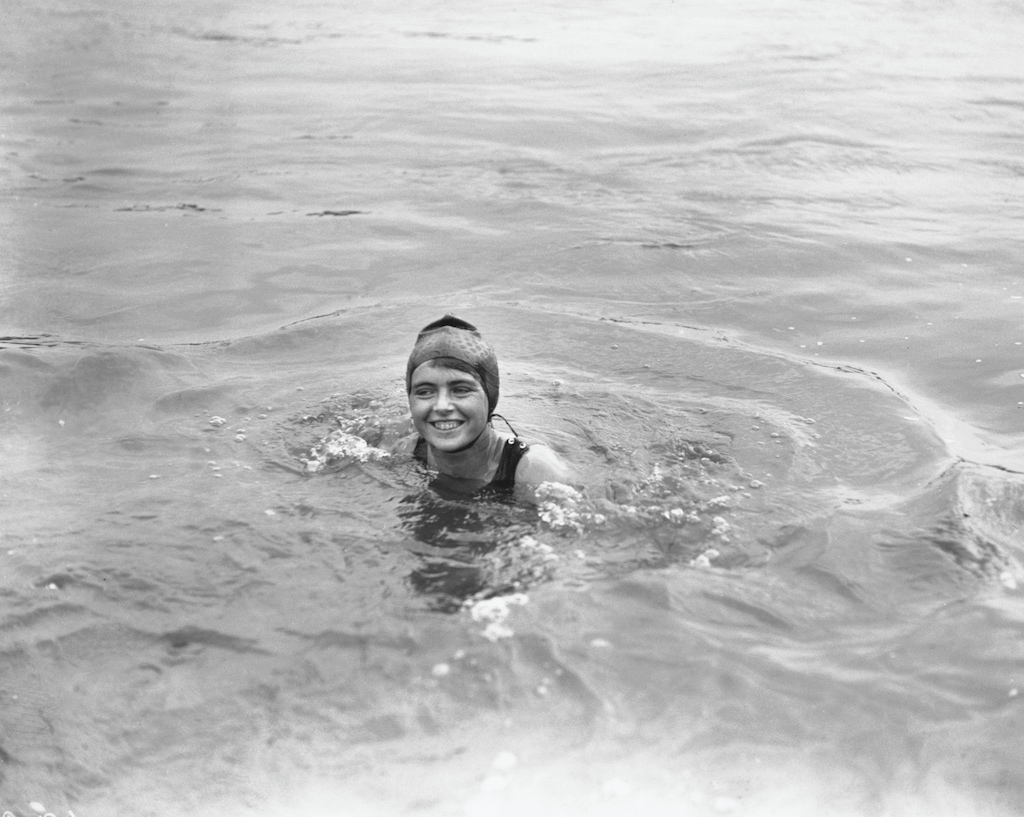
The template was set in 1927 with a British typist named Mercedes Gleitze, who had swum the English Channel. Wilsdorf asked her to wear an Oyster on a "vindication swim," and she wore it around her neck through hours in freezing water. She was pulled out before finishing, but the watch survived, and Wilsdorf ran a full-page ad in the Daily Mail.
The truth is messier than the legend. The ad leaned on her earlier successful swim, done without a Rolex, and buried the survival story under the brand name. But it launched the model that would define watch marketing for a century. Rolex still calls its wearers "testimonees," not ambassadors, a deliberately different, lifetime-oriented relationship. Roger Federer is the best-known modern example.
After the war, Rolex hired the J. Walter Thompson agency in New York, and after Dwight Eisenhower was seen wearing his Datejust, ran the campaign "Men who guide the destinies of the world wear Rolex watches." The claim was audacious and it worked. The five-point crown coronet, first used in 1931, became one of the most recognized logos on the planet.
The list of famous wearers is long. Sir Malcolm Campbell chasing the land-speed record, Jacques Piccard descending into the Mariana Trench with a Deep Sea Special, James Cameron doing the same in 2012, Paul Newman with the Daytona now named for him. There is also the persistent Everest story: Edmund Hillary did wear a Rolex to the summit in 1953, an Oyster Perpetual, but not the watch we now call the Explorer, whose identity settled afterward. The neat version is a myth, but the real one is close to it.
The collector culture is intense and occasionally exhausting. Demand for steel sport models chronically exceeds supply, producing multi-year waitlists and secondary-market prices well above retail. The market peaked around early 2022 and cooled afterward, but a steel Daytona or GMT still trades at a premium. On 2007 Wall Street, as Acquired noted, a Daytona was "borderline okay" to wear, the thing a bonus bought. For many buyers, a Rolex marked having made it.
Where They Stand Today
Rolex's size, its recent moves, and the tensions it faces.
Rolex is the reference point every other watch brand is measured against, and the numbers explain why. In 2024 it produced roughly 1.18 million watches and posted revenue near CHF 10.58 billion, becoming the first watch brand to cross $10 billion. It holds around 32 percent of the luxury-watch market and outsells the next five brands combined.
To put the scale in human terms, more than a million Rolexes a year means the company could fill a large football stadium fifteen times over with a single year's production, and still cannot make enough to meet demand. The company is both very large and always short of stock.
The recent moves show a company extending control over its entire universe. In 2023 it acquired Bucherer, the venerable Swiss retailer that had been its partner since 1924 and its single largest seller, after owner Jörg Bucherer was left without direct heirs. In 2022 it launched an official Certified Pre-Owned program, finally entering the resale market it had ceded to the grey market for decades. Rolex now touches the watch from the foundry to the second owner.
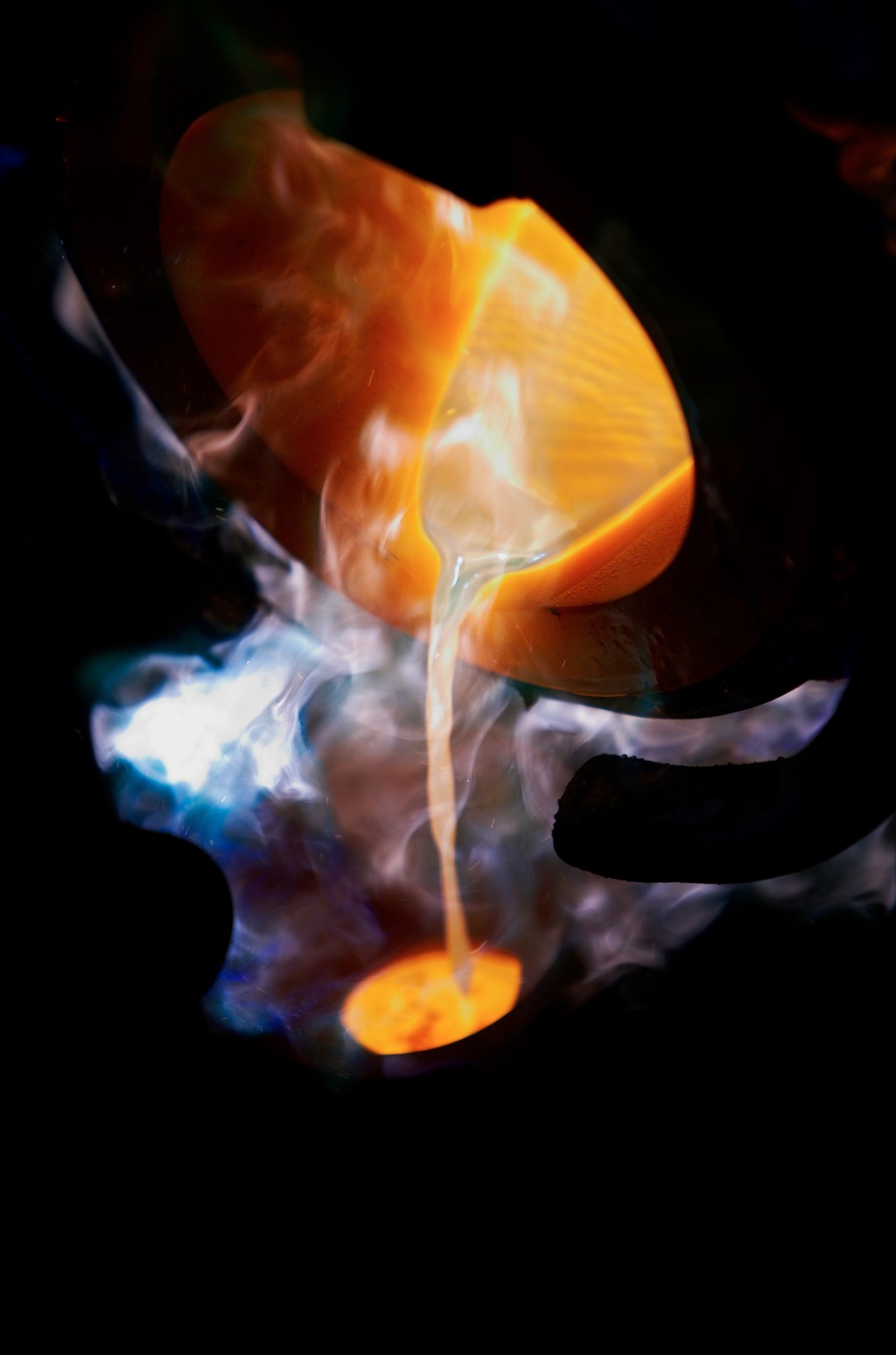
The strengths are structural and hard to attack. The Foundation ownership means no shareholders, no debt pressure, and the discipline to never discount in a downturn. When rivals cut prices to save revenue after 2008, Rolex did not, and its price integrity survived intact. That independence funds a materials laboratory and an in-house foundry no competitor can justify.
There are real tensions. The scarcity that fuels desire also breeds frustration and a vast grey market the company only recently began to reclaim. The secrecy that protects the brand also means almost total opacity; Rolex is, by some accounts, more secretive than IKEA or Mars. And the big unresolved question is whether Rolex is a tool-watch maker or a luxury-status company, a brand that resists the word "luxury" while being the ultimate example of it.
The answer arrived in 2025 in the form of the Land-Dweller and its Dynapulse escapement, a genuine mechanical innovation and the first new model line in a generation. A company sitting on that much market share could easily coast on its best-known models. Rolex chose to build a new escapement instead, much as Wilsdorf backed an unproven wristwatch in 1910.